

Winter Foot Care in New Zealand: How Natural Foot Balm Rescues Dry Feet Effectively
Winter Foot Care in New Zealand: How Natural Foot Balm Rescues Dry Feet Effectively
By Mumma J, Mumma J's Limited
As winter descends upon New Zealand, many individuals face the challenge of dry, cracked feet caused by cold weather and indoor heating. These conditions can lead to discomfort and require effective care solutions. This article explores how natural foot balms, particularly those like Mumma Js Healing Balm, serve as excellent remedies for revitalising dry feet during the chillier months. Readers will gain insights into the key ingredients, benefits, and practices for maintaining foot health, alongside essential tips on utilising natural balms for superior foot care.
Key Ingredients
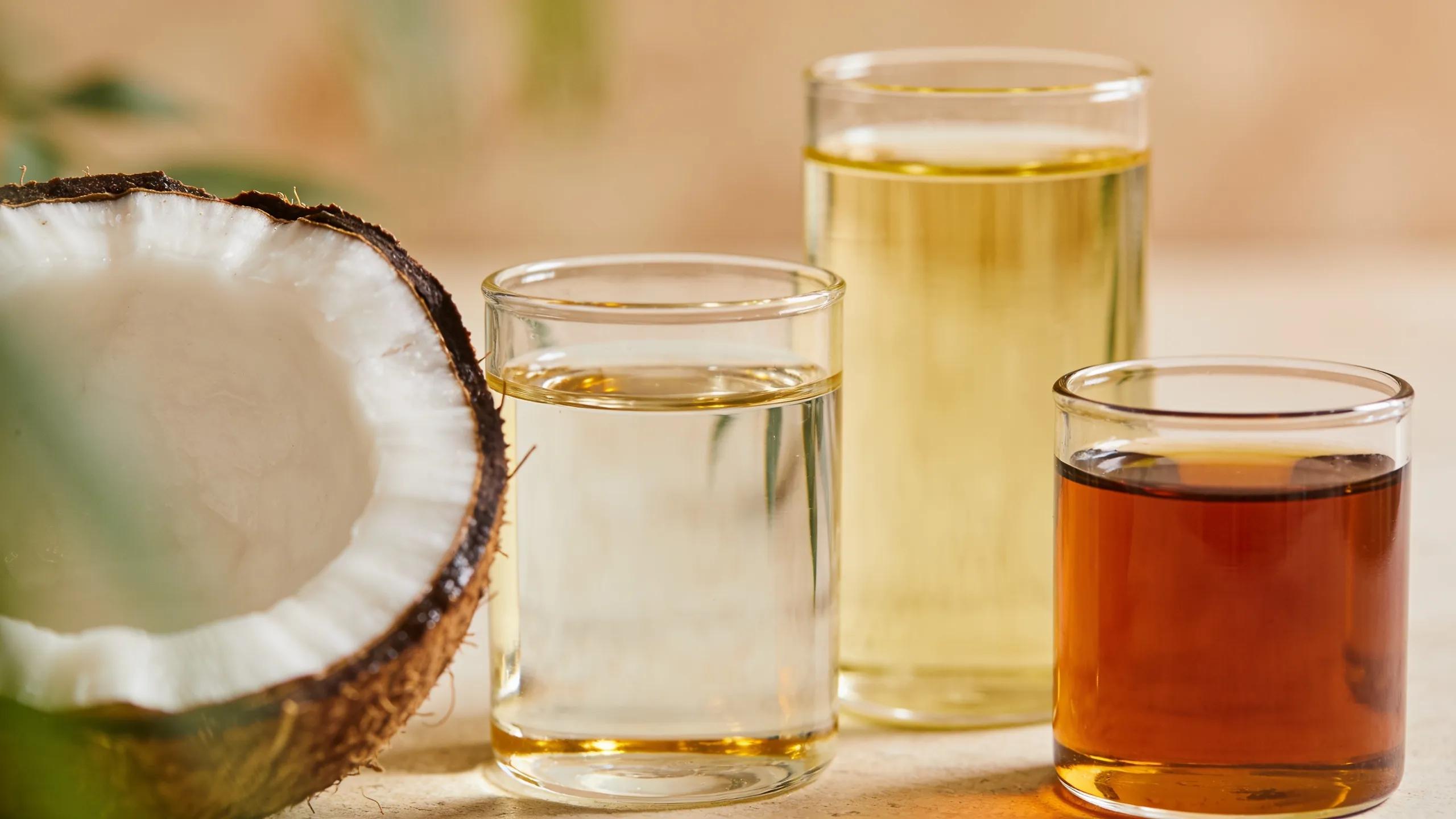
Understanding the key ingredients in foot balms is crucial for selecting the right product for effective treatment. Natural foot balms typically combine powerful components that work synergistically to hydrate and heal skin. Mumma Js offers a range of products crafted with care.
Ingredient |
Benefit |
Role in Foot Care |
|---|---|---|
Coconut Oil |
Deep hydration |
Moisturises and softens dry skin |
Vitamin E |
Protection and nourishment |
Enhances skin elasticity and healing |
Tamanu Oil |
Skin healing |
Promotes regeneration of skin cells |
These ingredients not only nourish and protect the skin but also help restore its natural barrier, making them essential for winter foot care.
Tamanu Oil's Biological Activity for Skin Healing Oil from the nuts ofCalophyllum inophyllum, locally called “Tamanu oil” in French Polynesia, was traditionally used for wound healing and to cure various skin problems and ailments. The skin-active effect of “Tamanu oil emulsion” was investigated on human skin cells (keratinocytes and dermal fibroblasts) and showed cell proliferation, glycosaminoglycan and collagen production, and wound healing activity. Biological activity of Polynesian Calophyllum inophyllum oil extract on human skin cells, S Guillot, 2016
What Are the Key Benefits of Using Natural Foot Balm for Dry Feet?
Natural foot balms provide numerous advantages over conventional products, especially in combating dry feet during winter.
Deep Hydration: The incorporation of natural oils ensures intense moisture penetration, combating dryness efficiently.
Protection Against Harsh Conditions: Natural ingredients form a protective barrier against cold air and indoor heating, which can dry out the skin.
Skin Barrier Repair: Organic formulations promote healing and repair of the skin barrier, essential for preventing further damage.
Utilising these benefits can greatly enhance the winter foot care routine. Explore the full range of products designed for comprehensive foot care.
How Does Healing Balm Hydrate and Repair Cracked Skin?
Mumma Js Healing Balm features a unique formulation designed specifically to address cracked skin. Coconut oil is instrumental in this process, as it deeply moisturises the outer skin layers. Additionally, tamanu oil reduces inflammation and promotes skin healing, while cocoa butter locks in moisture. This combination ensures that feet not only stay hydrated but also that any existing cracks are effectively repaired, resulting in smooth, healthy skin. Experience this targeted treatment by trying the healing balm.
Which Organic Ingredients Support Skin Barrier Repair in Winter?
The efficacy of natural foot balms in repairing the skin barrier is largely attributed to the combination of organic ingredients used. The use of natural moisturising agents, such as shea butter, aids in skin hydration, while antioxidants like vitamin E protect against environmental damage. Furthermore, fatty acids sourced from various oils support the regeneration of the skin barrier, which is crucial during the harsh winter months.
How to Treat Dry Feet During New Zealand Winters: Essential Foot Care Routine Steps
To effectively combat dry feet, establishing a comprehensive foot care routine is vital. Here are essential steps to follow:
Daily Moisturising: Apply natural foot balm daily, especially after washing feet, to lock in moisture.
Proper Foot Hygiene: Keep feet clean and dry to prevent fungal infections, which can worsen dryness.
Regular Monitoring: Check feet regularly for any signs of cracking or excessive dryness, addressing issues promptly.
By adhering to these steps, one can maintain soft and healthy feet throughout the winter season.
What Are the Best Practices for Applying Natural Foot Balm?
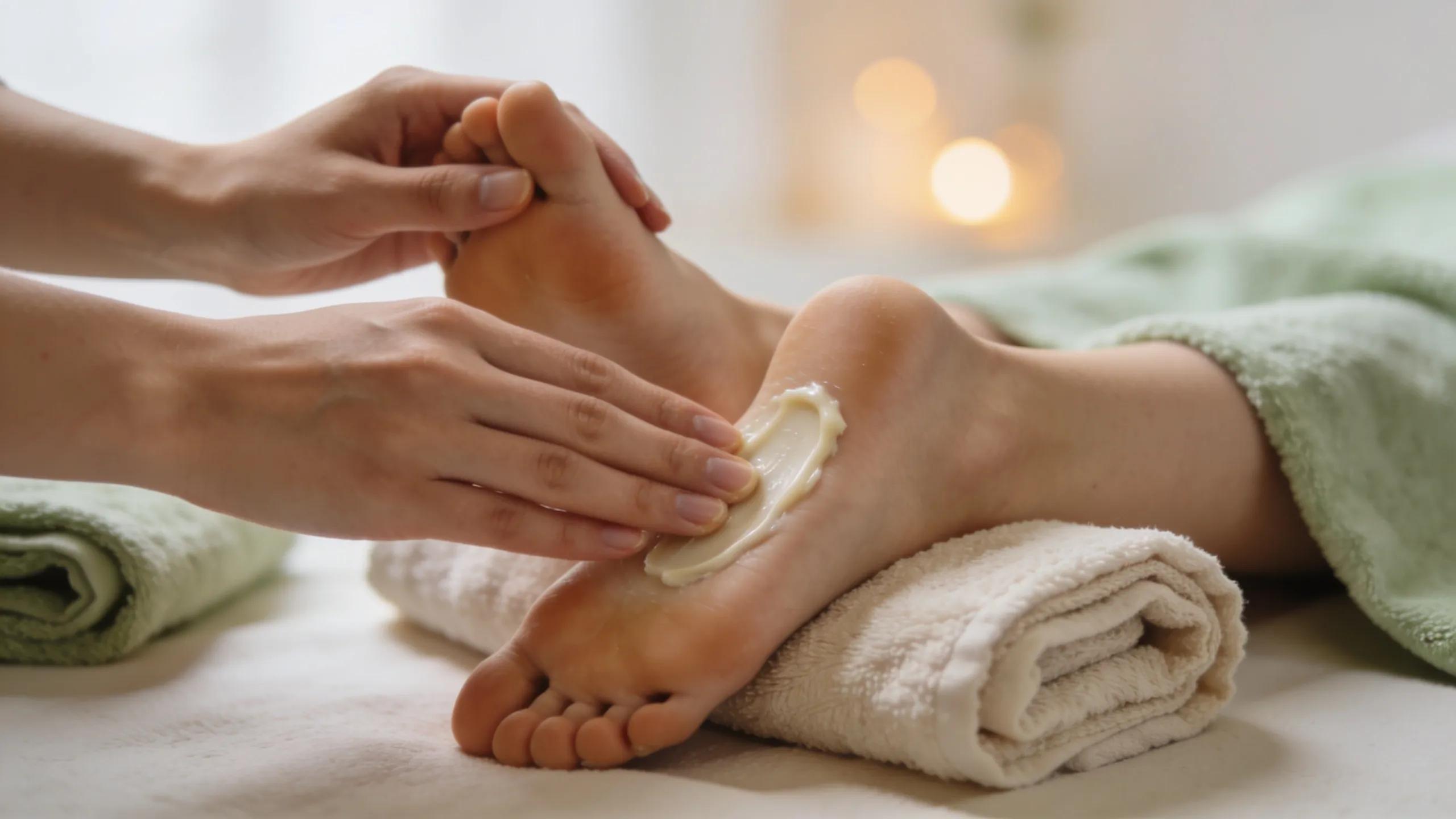
For optimal results when using natural foot balms, consider the following best practices:
Ensure Cleanliness: Wash and thoroughly dry your feet before application to prevent trapping dirt and bacteria.
Massage Technique: Gently massage the balm into the skin, ensuring even coverage and aiding in absorption.
Overnight Application: For enhanced hydration, consider applying balm before bed and wearing cotton socks to allow it to work overnight.
These practices help maximise the benefits of the balm and keep feet nourished.
Which Home Remedies Complement Natural Foot Balm for Cracked Feet?
Incorporating home remedies alongside natural foot balm can greatly enhance foot care. Consider these complementary treatments:
Foot Soaks: Use Epsom salts in warm water to soothe feet and soften skin.
DIY Foot Masks: Create moisturising masks using natural ingredients like honey and avocado for extra hydration.
Natural Scrubs: Exfoliate regularly using sugar or salt scrubs to remove dead skin, preventing buildup.
These homemade remedies can boost the effectiveness of natural balms, promoting healthier skin.
Why Choose Organic Foot Creams Like Healing Balm in New Zealand?
Choosing organic foot creams, such as Mumma Js Healing Balm, over synthetic alternatives presents several advantages, particularly in terms of health and sustainability. Organic ingredients tend to be free from harmful chemicals and toxins, minimising potential adverse skin reactions. Additionally, ecologically responsible practices in sourcing and making these creams support local economies and reduce environmental impact. This aligns with a broader trend towards sustainability and health consciousness among consumers. To learn more about the brand's philosophy, explore the about page.
What Makes Mumma Js’ Foot Balm Different from Other Brands?
Mumma Js' Healing Balm distinguishes itself through its unique ingredient combinations that emphasise effectiveness and quality. The inclusion of local, organic ingredients ensures freshness and potency, contributing to the product's overall performance. Furthermore, positive customer testimonials highlight the satisfaction and noticeable improvements experienced by users. Such differentiators position Mumma Js as a preferred choice for foot care solutions.
How Does Local Ingredient Sourcing Enhance Foot Care Effectiveness?
Sourcing ingredients locally not only supports local businesses but also enhances the quality and effectiveness of foot care products. Local ingredients are often fresher, retaining more nutrients than those that travel long distances. This approach also promotes transparency in ingredient sourcing and production, allowing consumers to make informed choices about the products they use on their skin.
What Are Common Questions About Natural Foot Balm and Winter Foot Care?
Addressing common inquiries can further clarify the usage and benefits of natural foot balms. Many users often wonder about the specific application frequency or how to achieve the best results. Using natural foot balm daily during the winter months can significantly improve skin hydration and appearance. Users should also clarify the best times to apply the balm, which is preferably after bathing or before bed for maximum absorption.
How Often Should I Apply Natural Foot Balm in Winter?
During winter, it is advisable to apply natural foot balm once or twice daily to maintain moisture levels and protect against dryness. Regular application, particularly in harsh conditions, ensures that feet remain soft and healthy. Optimal results are typically seen over the course of several weeks with consistent use. For specialised care, consider the night oil for intensive overnight treatment.
Which Organic Ingredients Are Best for Treating Dry and Cracked Feet?
Several organic ingredients stand out for their effectiveness in treating dry and cracked feet. Key ingredients include:
Coconut Oil: Provides deep hydration and prevents moisture loss.
Shea Butter: Rich in vitamins and fatty acids, aids in softening and healing skin.
Tamanu Oil: Known for its healing properties, supports skin regeneration and repair.
Incorporating these ingredients into foot care regimes can dramatically enhance overall foot health. For more information or specific product inquiries, visit the contact page.