
Why Handmade Skincare Beats Mass-Produced: Discovering Ingredient Truth and Natural Skincare Benefits
Why Handmade Skincare Beats Mass-Produced: Discovering Ingredient Truth and Natural Skincare Benefits
By Mumma J, Mumma J's Limited
In the quest for effective skincare, the dilemma between handmade and mass-produced products emerges as a significant point of discussion. Handmade skincare embodies the principles of ingredient transparency, artisanal craftsmanship, and a commitment to natural ingredients. By choosing handmade options, consumers can avoid the pitfalls of synthetic additives that often accompany mass-produced items. This article will delve into the definitions, advantages, and methods each approach employs, highlighting the benefits of opting for natural, handcrafted products over commercial alternatives.
The exploration will cover essential aspects such as the sourcing of ingredients in handmade products, the harmful effects of chemicals found in mass-produced skincare, and the unique benefits of natural essential oils. Additionally, we will discuss how consumers can verify ingredient quality and the practical ways to incorporate handmade skincare into their routines.
What Defines Handmade Skincare and Its Ingredient Transparency?
Handmade skincare refers to products crafted with a focus on quality ingredients, often using small-batch methods that ensure integrity and freshness. One of the defining characteristics of this approach is the emphasis on ingredient transparency, allowing consumers to know exactly what is in their skincare. This contrasts sharply with mass-produced alternatives, where proprietary blends often mask harmful additives under vague terms. Understanding the ingredients in skincare is crucial for making informed choices about personal health and beauty.
How Does Handmade Skincare Ensure Purity with Natural Ingredient Sourcing?
Handmade skincare artisans prioritise sourcing their ingredients from local and sustainable practices. This means selecting plant-based botanicals, essential oils, and other components that are free from toxic additives. By fostering relationships with local farmers and ethical suppliers, these artisans can ensure that the ingredients used in their products are of the highest quality and integrity. This careful sourcing not only benefits the skin but also supports local economies and reduces the carbon footprint associated with long-distance ingredient shipping.
What Key Natural Oils Are Common in Handmade Skincare Products?
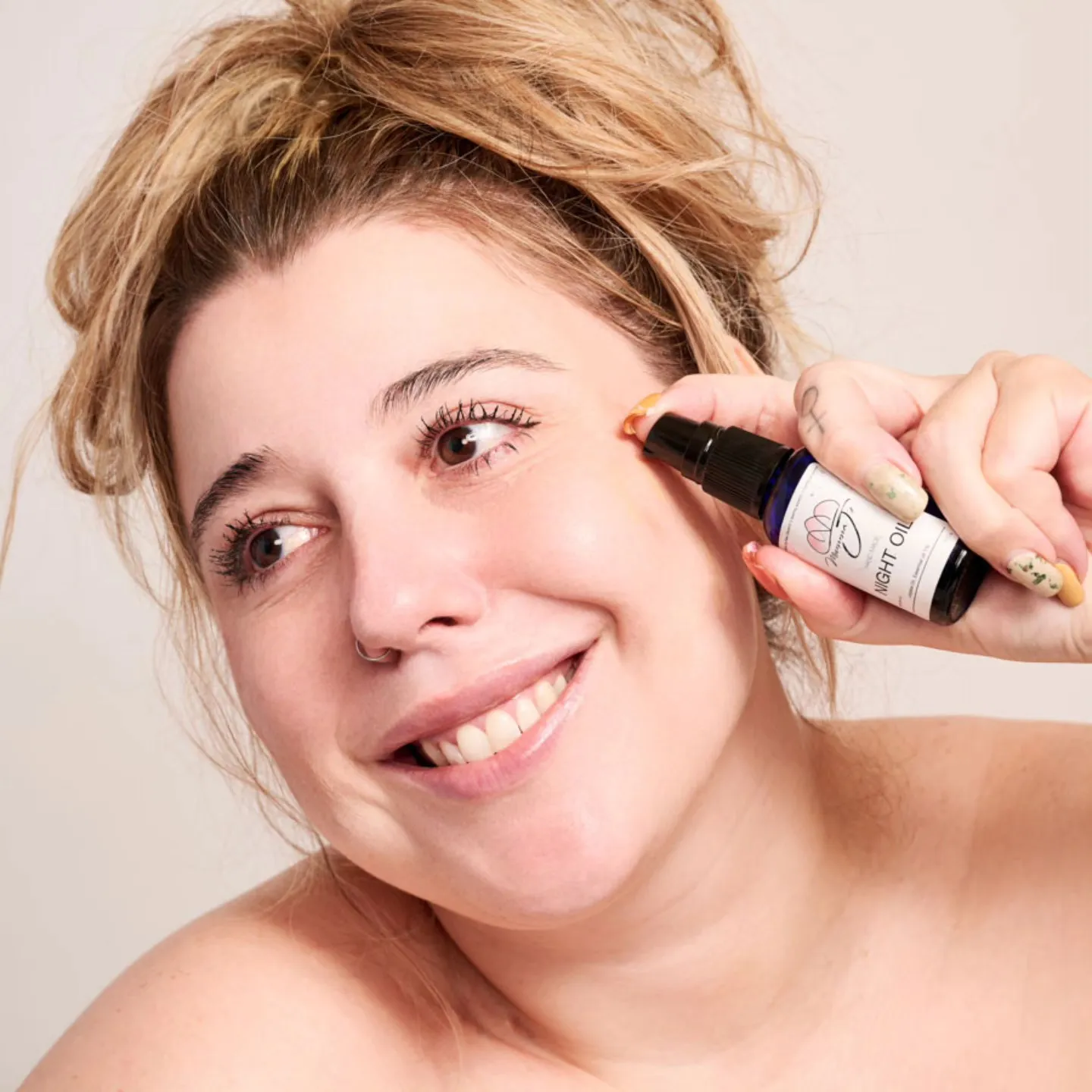
In handmade skincare, several natural oils stand out for their beneficial properties. These include:
Jojoba Oil: Effective for moisturizing and balancing skin oil production.
Coconut Oil: Renowned for its antibacterial properties and deep hydration.
Argan Oil: Packed with essential fatty acids that nourish and protect the skin.
Rosehip Seed Oil: Rich in antioxidants, it aids in skin regeneration and healing.
These oils are often chosen for their ability to nourish, hydrate, and rejuvenate the skin without the negative effects associated with synthetic ingredients.
Why Are Chemical Ingredients in Mass-Produced Skincare Harmful?
Mass-produced skincare products frequently contain a range of synthetic chemicals that can be detrimental to skin health. The use of these chemicals often stems from the need to extend shelf life, enhance fragrance, or achieve a certain texture, often at the expense of skin safety.
Which Synthetic Chemicals Are Commonly Found in Mass-Produced Skincare?
Several harmful synthetic chemicals are commonly present in commercial skincare products. These may include:
Parabens: Preservatives linked to hormonal disruptions.
Sulfates: Cleaning agents that can strip skin of natural oils.
Fragrance additives: Often allergy-inducing and can cause skin irritation.
Phthalates: Chemicals used to increase flexibility in products, associated with reproductive and developmental harm.
These additives can lead to a variety of adverse skin reactions, illustrating the importance of scrutinizing skincare product ingredients.
What Health Impacts Do These Chemical Ingredients Have on Skin?
The presence of synthetic chemical ingredients in skincare can result in immediate and long-term health implications. Users may experience:
Allergic reactions: Resulting in rashes, redness, and irritation.
Dermatitis: Caused by exposure to irritative substances commonly found in mass-produced products.
Hormonal disruptions: Due to parabens and phthalates, leading to potential reproductive health issues.
Such risks highlight the necessity of choosing products that prioritise safety and ingredient transparency.
How Do Benefits of Natural Oils Enhance Handmade Skincare Effectiveness?
Natural oils are not just fillers in handmade formulations; they provide a myriad of benefits that enhance the efficacy of skincare products. Through their unique properties, these oils support skin health in profound ways.
What Are the Hydrating and Healing Properties of Popular Natural Oils?
Popular natural oils in handmade skincare are known for their hydrating and healing capabilities. For instance:
Argan Oil: Helps improve skin elasticity and reduces inflammation.
Jojoba Oil: Mimics the skin’s natural sebum, offering deep hydration.
Olive Oil: Contains antioxidants that nourish and protect the skin.
These oils enable consumers to experience real changes in their skin texture and health, which is often not possible with chemical-laden treatments.
Scientific research continues to validate the role of bioactive botanicals in promoting skin barrier integrity and effective regeneration.
Natural Ingredient Benefits: The Power of Bioactive Botanicals in Skincare
Lentinula edodes(Shiitake) has been traditionally used in East Asian medicine for its immunomodulatory and skin-health benefits. Among its bioactive constituents, ergosterol— a provitamin D₂ precursor— plays an important role in maintaining skin homeostasis. In this study, we investigated the ability of an oil-soluble extract fromLentinula edodes(SMosE) to modulate vitamin D receptor (VDR)–dependent transcription and influence key biological processes involved in skin barrier integrity, hydration, wound repair, and sebum regulation, supporting its relevance for dermatological applications. Lentinula edodes (Shiitake) extract as a vitamin D receptor activator to enhance skin adaptogenic responses, 2026
How Handmade Skincare Balms Like Healing Balm Support Skin Health
Handmade balms, such as MummasJs Healing Balm, combine various natural ingredients designed to promote skin health. This balm, for example, includes healing essential oils and rich butters that moisturize and soothe the skin. By utilizing carefully selected ingredients, handmade balms like these not only treat specific skin concerns but also support the overall integrity of the skin barrier.
What Makes Handmade Skincare More Effective Than Commercial Mass-Produced Options?
The difference in production methods between handmade and mass-produced skincare significantly impacts their effectiveness. Handmade products are often crafted in smaller batches, allowing for greater attention to detail and quality control.
How Does Small-Batch Handmade Production Enhance Ingredient Quality?
Small-batch production enhances ingredient quality by providing artisans the ability to monitor each stage of the process closely. This means selecting fresh ingredients, avoiding harmful preservatives, and ensuring that the products maintain their beneficial properties throughout their lifecycle. The personal touch in small-batch skincare allows for the creation of bespoke formulas that meet specific customer needs, building a loyal customer base.
Why Do Customers Trust Handmade Skincare Brands Like MummasJs?
Customers often express a strong trust in handmade skincare brands due to their transparent practices and commitment to quality. Brands like MummasJs emphasise ingredient sourcing and production processes, assuring consumers that their products are both safe and effective. This trust, coupled with a growing awareness of the dangers associated with mass-produced skincare, drives the preference for artisanal options.
How Can Consumers Verify Ingredient Truth in Handmade Skincare Products?
Understanding ingredient transparency is essential for consumers seeking quality skincare. They must be empowered to evaluate what goes into the products they use daily.
What Role Does Ingredient Labelling and Schema Markup Play in Transparency?
Ingredient labelling serves as a crucial tool in ensuring that consumers are aware of what they are applying to their skin. Clear labelling practices, including schema markup for online product listings, enhance transparency by providing straightforward information about each ingredient's origin and purpose. Tools such as ingredient dictionaries can further demystify components, equipping consumers with knowledge and confidence.
How Do Recent Consumer Trends Influence Demand for Ingredient Transparency?
Recent consumer trends reflect a significant shift towards greater accountability in personal care products. The growing demand for ingredient transparency results from increased awareness regarding chemical ingredients' potential harm. Consequently, brands that prioritise clear communication about their ingredient sourcing and manufacturing processes are more likely to win consumer loyalty, setting them apart in a saturated market.
What Are Practical Ways to Experience and Choose Handmade Skincare Products?
Finding and selecting quality handmade skincare products can transform a consumer's skincare regimen and overall skin health.
How to Use Night Oil and Healing Balm for Optimal Skin Benefits?
To utilize products like MummasJs Night Oil effectively, apply a few drops to cleansed skin in the evening, allowing essential oils to nourish and repair overnight. For the MummasJs Healing Balm, gently massage a small amount into dry or irritated areas to promote healing and moisture retention. Regular use of these products can lead to significant improvements in skin texture and hydration levels.
Where to Explore Full Handmade Skincare Collections and Stories?
Exploring comprehensive collections of handmade skincare is essential for understanding the values behind brands like MummasJs. Their full range includes various products, each telling a story of natural ingredient sourcing and artisanal craftsmanship. Engaging with these brands through their stories and product details can provide deeper insights into the benefits of natural skincare choices.