

Sustainable Sandalwood Essential Oil: What to Look For When Buying
Sustainable Sandalwood Essential Oil: What to Look For When Buying
By Mumma J, Mumma J's Limited
When you're ready to buy sandalwood essential oil NZ, see Mumma J's pure, natural option.
Sandalwood essential oil is renowned for its aromatic properties and numerous health benefits, making it a popular choice in aromatherapy and skincare. However, with rising awareness about sustainability, knowing what to look for when purchasing sustainable sandalwood essential oil is crucial. This article provides insights into the key aspects associated with sourcing and quality to ensure you make an informed decision. From understanding sustainable harvesting practices to recognising purity indicators, readers will gain comprehensive knowledge on how to choose ethically sourced products. Additionally, we'll delve into the various benefits of sandalwood essential oil and how it supports well-being, empowering consumers to prioritise environmentally friendly options.
When buying Sustainable Sandalwood Essential Oil, consider the following aspects:
When considering sustainable sandalwood essential oil, it is essential to evaluate several critical aspects. This ensures that the product you choose aligns with ethical standards of sourcing and quality.
Sourcing Practices: Investigate how the sandalwood is sourced, ensuring it comes from sustainable and managed forests.
Purity of the Oil: Look for indicators of purity, such as single-origin oils that have been properly distilled.
Aroma Characteristics: Assess the aroma, as high-quality sandalwood oil should possess a rich, woody fragrance.
Sustainability Certifications: Check for certifications that affirm eco-friendly practices, indicating the oil is harvested responsibly.
Extraction Methods: Understand the extraction methods used, as traditional methods tend to preserve the oil's natural properties better.
Packaging Considerations: Prefer brands using eco-friendly packaging that reduces environmental impact.
Price Considerations: Higher quality often comes at a premium; be wary of prices that seem too good to be true.
What Are the Key Benefits and Uses of Sandalwood Essential Oil?

Sandalwood essential oil is not only prized for its aroma but also for its various therapeutic properties. These benefits make it a versatile component in both aromatherapy and skincare.
Sandalwood oil can promote relaxation, enhance mood, and improve cognitive function. It is widely used in aromatherapy for its calming effects, making it ideal for stress relief. Furthermore, its anti-inflammatory properties benefit skin health, aiding in conditions like redness or irritation. For a luxurious and effective skincare option, consider exploring the healing balm.
How Does Sandalwood Oil Support Aromatherapy and Skin Care?
Sandalwood oil supports aromatherapy by providing calming scents that significantly reduce anxiety and promote emotional well-being. Its role in skincare is equally important, as its natural compounds nourish the skin, aiding hydration and minimising the appearance of wrinkles through antioxidant action. You can find a wide range of natural products to support your skin and wellness journey at collections.
The calming effects of sandalwood oil also make it suitable for meditation and relaxation practices, allowing individuals to achieve a serene state conducive to emotional balance.
Which Health and Wellness Benefits Does Pure Sandalwood Oil Offer?
Pure sandalwood oil offers several health and wellness benefits that enhance overall quality of life. It is specifically known for:
Skin Health: Hydrates and soothes irritated skin, thanks to its anti-inflammatory properties.
Relaxation and Stress Relief: Halts racing thoughts and promotes a calmer mind.
Holistic Health Integration: Supports mental clarity and emotional stability throughout various therapeutic practices.
These benefits make sandalwood oil a preferred choice among holistic practitioners and wellness enthusiasts seeking natural solutions. Learn more about the brand's commitment to natural wellness at about.
How to Identify Pure and Sustainably Sourced Sandalwood Essential Oil?
Identifying pure and sustainably sourced sandalwood essential oil involves recognising several distinct indicators of quality.
Purity Indicators: Check for clear labelling stating 100% pure essential oil, void of additives.
Extraction Methods: Cold pressing and steam distillation are preferred methods that retain oil integrity.
Aroma Quality: A deep woody scent indicates genuine sandalwood, while synthetic alternatives may smell overly sweet or artificial.
Sourcing Certifications: Look for certifications that confirm sustainable practices.
Knowing these criteria helps ensure that you select a high-quality product contributing to both personal health and environmental conservation.
What Are the Signs of Genuine Sandalwood Oil Purity?
Several characteristics can help determine the purity of sandalwood oil.
Colour and Viscosity: Pure sandalwood oil often exhibits a light yellow to golden hue and has a slightly viscous texture.
Aromatics: Authentic sandalwood oil should have a rich, woody scent that develops complexity with time.
Testing Methods: Authentic oils are often subjected to gas chromatography or other testing to confirm their composition.
These signs are essential for discerning true sandalwood oil from inferior substitutes.
Which Certifications Confirm Sustainable Harvesting and Organic Quality?
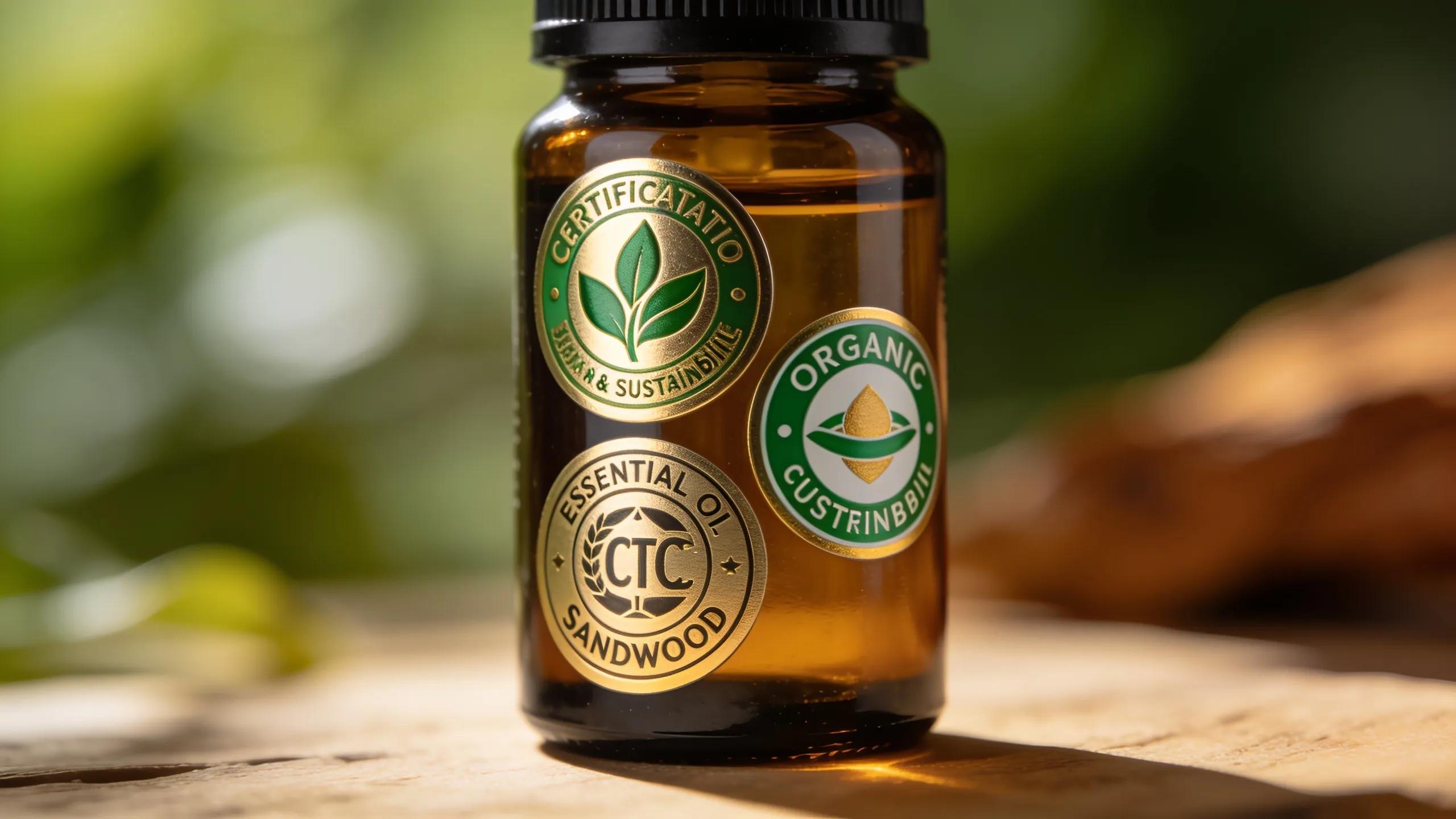
Certifications play a vital role in confirming the sustainable and organic status of sandalwood essential oil. Key certifications to look for include:
Natural Certifications: Confirm that the oil is derived from natural sources without harmful chemicals.
Cruelty-Free Labels: Ensure that no animal testing was involved throughout its production.
Sustainable Packaging Certifications: Indicate that the product has been packaged using environmentally friendly materials.
These certifications assure consumers that their products are ethically sourced and promote environmental responsibility.
What Sustainable Harvesting Practices Ensure Eco-Friendly Sandalwood Oil?
Sustainable harvesting practices are crucial for ensuring that sandalwood oil is produced without adversely impacting the species or its habitat.
Sustainable practices can include regulated logging that allows trees to mature fully before harvesting and engaging in community programmes that promote regrowth. These practices not only protect the ecosystems from depletion but also support local economies by providing fair wages to workers involved in the harvesting process.
How Is Sandalwood Harvested to Protect Endangered Species?
The methods of sandalwood harvesting directly affect the species' conservation status. Implementing sustainable practices, such as selective logging and replanting, is essential to protect endangered sandalwood species and ensure their survival. For more information on ethically sourced products and their impact, you can reach out to contact us.
By adhering to these methods, we can balance the demand for high-quality sandalwood oil with responsible ecological practices that protect the environment.
Why Is Supply Chain Transparency Important for Ethical Sandalwood Oil?
Supply chain transparency is critical for ethical sandalwood oil sourcing, as it allows consumers to trace the product's origins. This clarity fosters trust and accountability among producers and consumers alike.
Transparency often requires brands to disclose their sourcing processes, including where and how the sandalwood is harvested. This open approach helps buyers make informed choices based on the brand’s commitment to sustainability. Discover specific products like the night oil, which exemplifies our transparent sourcing.
Which Brands and Buying Tips Help Choose Natural, Eco-Friendly Sandalwood Oils?
For consumers focused on eco-friendly sandalwood oils, several brands are known for their commitment to quality and sustainability.
Branding Certifications: Seek brands that boast sustainability and organic certifications on their labelling.
Buying Considerations: Take note of the extraction methods used and ensure they preserve the oil's natural qualities.
Ingredient Lists: Avoid oils with synthetic fragrances or additives, prioritising pure options instead.
These considerations can guide consumers towards reputable brands that underscore a commitment to ethical sourcing.
What Are the Top Brands Offering Certified Sustainable Sandalwood Oil?
While many brands offer sandalwood oil, the following are recognised for their dedication to sustainability:
Brand A: Renowned for its ethically sourced products and strong sustainability initiatives.
Brand B: Offers a range of certified organic essential oils, including sandalwood.
Brand C: Focuses on transparency and community involvement in its sourcing practices.
These brands have established credibility through their commitment to maintaining high-quality and sustainably harvested products.
What Buying Tips Ensure Quality and Environmental Responsibility?
When purchasing sandalwood essential oil, it is vital to ensure that the product upholds quality and environmental standards. Consider the following tips for navigating the market:
Purity Verification: Only buy from vendors who provide third-party testing results for purity.
Checking Certifications: Look for relevant certifications that signify ethical and sustainable practices.
Price Considerations: Lower prices can signal inferior quality; invest in reputable brands for the best results.
These strategies will assist you in selecting high-quality sandalwood essential oil that benefits both you and the environment. Explore our full range of products at MummaJs.
Moreover, the broader essential oil industry faces increasing scrutiny regarding its environmental impact and sustainable practices, emphasising the importance of informed consumer choices.
Essential Oil Industry: Sustainability Concerns and Practices ABSTRACT: Dünya kaynaklarının önemli derecede tehlikede olduğu ve sürdürülebilirlik kaygısının giderek arttığı bu günlerde, yavaş yavaş pek çok ürünün tükenmesi olasılığı ile karşı karşıyayız. Esansiyel yağlar ve tıbbi aromatik bitkiler de kaynağı tükenen ürünler arasında yer almakta. Bu çalışmanın amacı esansiyel yağlar alanında faaliyet gösteren firmaların sürdürülebilirlik alanındaki beyanları, çalışmaları ve farkındalığını analiz etmektir. Ayrıca bu amaçla kaynakları tehlikede olan tıbbi aromatik bitkiler ve bu alanda faaliyet gösteren firmalar tespit edilmiştir. Ardından bu firmalar ve esansiyel yağ ihracatı yapan markaların sürdürülebilirlik beyanlarını incelemek ve haber analizi yapmak yoluyla sürdürülebilirlik konusundaki farkındalıkları, tutumları ve faaliyetleri ortaya koyulmuştur. Firma analizleri sırasında sorumlu üretim, organik tarım, sertifikasyon, atık yönetimi, çevre dostu nakliye ve paketleme, hayvan haklarına verilen önem gibi başlıklar esas alınmıştır. Sustainability of healing and fragrance: essential oil industry review, GK Gümüş, 2022