

Sandalwood Essential Oil Uses, Benefits, and Blending Tips for Skin and Relaxation
Sandalwood Essential Oil Uses, Benefits, and Blending Tips for Skin and Relaxation
By Mumma J, Mumma J's Limited
Sandalwood essential oil, derived from the heartwood of the Santalum tree, is renowned for its warm, woody aroma and myriad applications in aromatherapy, skincare, and perfumery. This article delves into the various uses and benefits of sandalwood essential oil, alongside practical blending tips for enhancing skincare and relaxation practices. Understanding the unique characteristics of sandalwood essential oil is essential for anyone looking to utilise it effectively, whether for emotional balance, skin health, or holistic well-being. As you explore these insights, you will discover the profound impact sandalwood oil can have on your daily wellness routines, alongside specific methodologies for integrating this exceptional oil into your life. We will cover an overview of the oil, its uses in different sectors, therapeutic benefits, and recommended blending strategies. For a deeper understanding of the various applications and benefits, exploring a comprehensive overview is beneficial.
Overview of Sandalwood Essential Oil
Sandalwood essential oil is a fragrant oil extracted from the Santalum album tree, known for its distinctive aromatic profile and therapeutic properties. Traditionally utilised in Ayurvedic practices, sandalwood oil plays a pivotal role in promoting relaxation and mindfulness through its calming aroma. It is rich in santalols, compounds that contribute to its soothing effects. Commonly used in aromatherapy and skincare, sandalwood oil not only supports emotional well-being but also offers remarkable benefits for skin health, making it a versatile staple in natural health and wellness regimens.
Uses:
Aromatherapy:
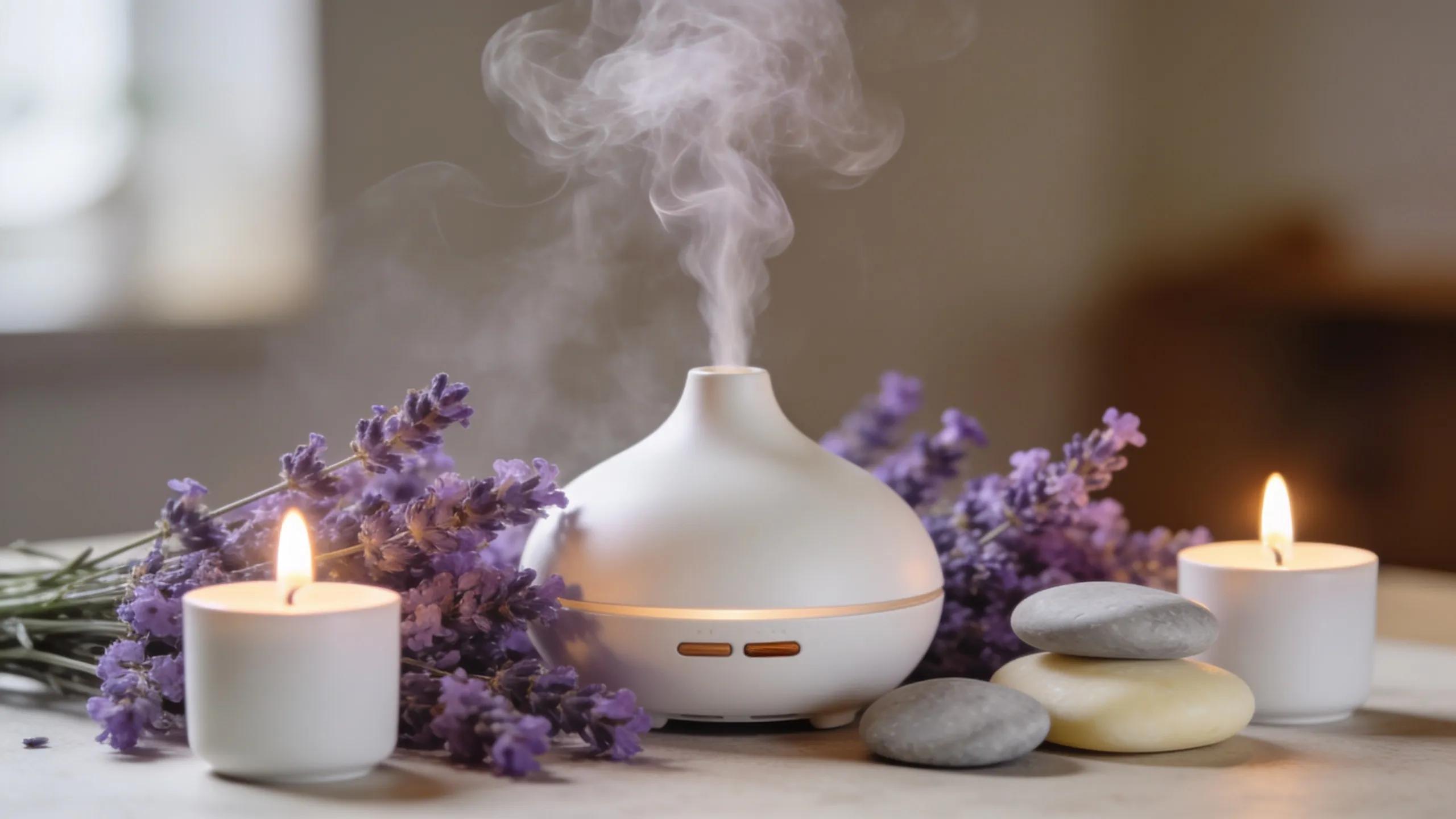
In aromatherapy, sandalwood essential oil is favoured for its calming and grounding properties. It can be diffused, inhaled directly, or applied topically in diluted form. The oil promotes relaxation and reduces stress, making it an excellent choice for meditation and mindfulness practices. Using a few drops in a diffuser can create a tranquil environment that enhances mood and fosters emotional balance. To enhance this experience further, consider exploring various essential oil collections.
Skincare:
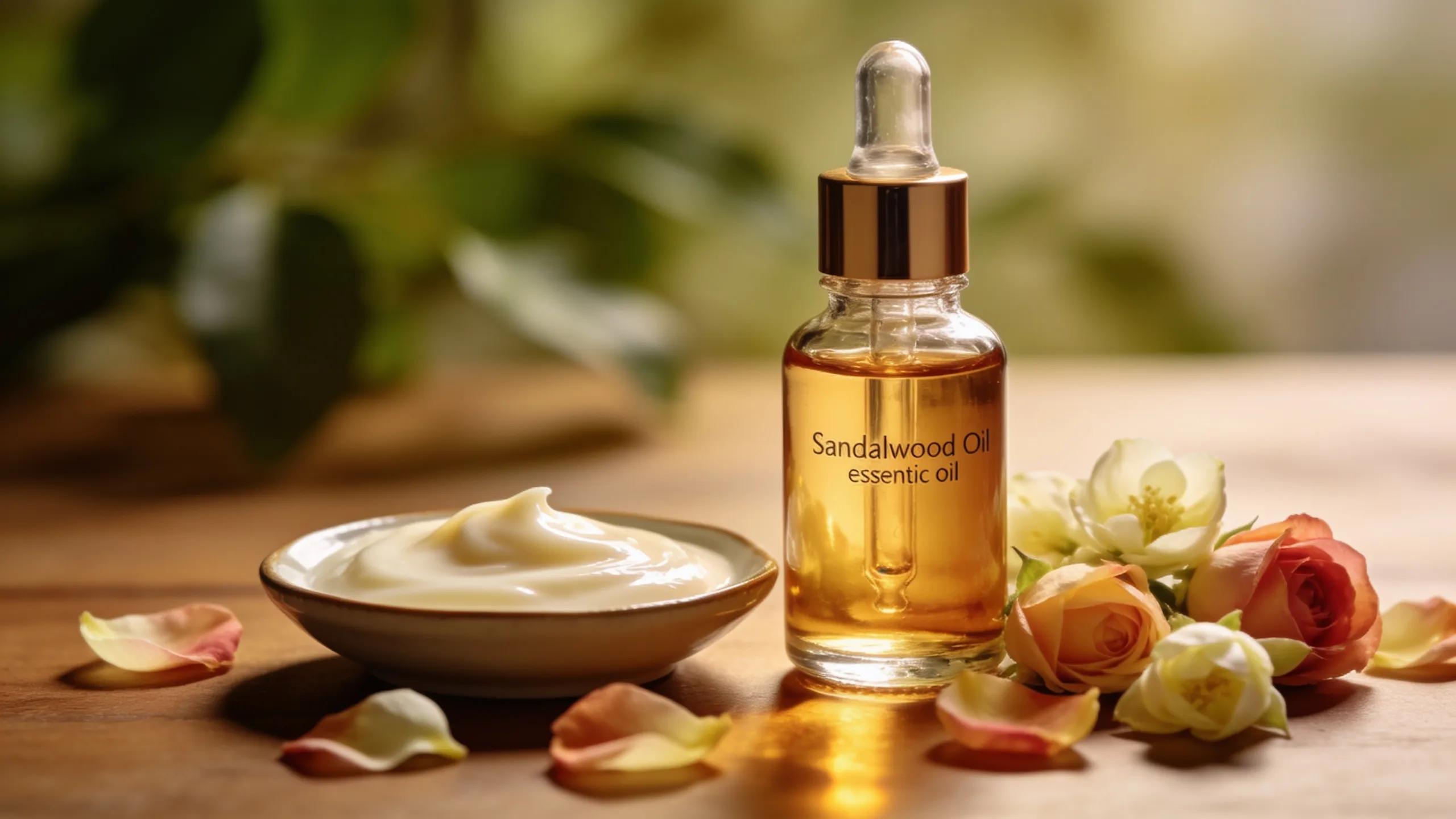
Sandalwood oil is commonly incorporated into skincare formulations for its antiseptic and anti-inflammatory properties. It helps address various skin issues, including acne and dryness. By hydrating and soothing the skin, sandalwood oil promotes a radiant complexion while also aiding in the healing of blemishes and irritation. Its natural astringent qualities also support skin tightening, making it a popular choice in facial oils and serums. For specific skincare needs, the Night Oil offers targeted rejuvenation.
The therapeutic benefits of sandalwood oil for various skin conditions have been extensively researched and documented.
Sandalwood Oil for Skin Conditions: Anti-inflammatory and Antimicrobial Benefits Sandalwood album oil (SAO), also known as East Indian sandalwood oil (EISO), is an essential oil distilled from theSantalum albumtree and has demonstrated biological activity as an anti-inflammatory, anti-microbial, and anti-proliferative agent. Sandalwood album oil has also shown promise in clinical trials for treatment of acne, psoriasis, eczema, common warts, andmolluscum contagiosum.The favourable safety profile, ease of topical use, and recent availability of pharmaceutical-grade sandalwood album oil support its broader use as the basis of novel therapies in dermatology. Sandalwood album oil as a botanical therapeutic in dermatology, 2017
Perfumery:
In perfumery, sandalwood oil is prized for its rich, woody aroma that adds depth and complexity to fragrance compositions. It serves as a fixative, allowing lighter notes to last longer, showcasing its significance in high-end perfumes. The unique scent profile of sandalwood makes it a popular ingredient in both men’s and women’s fragrances, often evoking feelings of warmth and sensuality.
Benefits:
Relaxation and Emotional Balance:
Sandalwood essential oil is celebrated for its ability to promote relaxation and emotional stability. Its calming properties can help alleviate feelings of anxiety and stress, making it an effective tool for enhancing mental clarity. Regular use of sandalwood oil can also improve sleep quality by creating a serene atmosphere conducive to restful slumber, addressing one of the common challenges faced by many individuals today.
Skin Health:
The hydrating effects of sandalwood essential oil contribute significantly to skin health. As a natural moisturiser, it helps combat dryness while reducing inflammation associated with skin conditions like eczema and psoriasis. The oil's compounds have been shown to rejuvenate skin cells and promote a clear, youthful complexion. Furthermore, its antiseptic benefits assist in preventing breakouts, making it an ideal addition to acne treatments. Consider using a Healing Balm for topical skin concerns.
Holistic Health:
Beyond its beauty applications, sandalwood essential oil supports overall holistic health. Its anti-inflammatory and antiseptic properties provide benefits for both physical and mental well-being, making it a valuable ally in integrative health practices. By enhancing emotional balance and physical comfort, sandalwood oil aligns with the principles of holistic wellness, where the mind, body, and spirit are interconnected.
Blending Tips for Skincare and Relaxation:
For Skincare:
When blending sandalwood essential oil for skincare, proper dilution with carrier oils is crucial. A common dilution ratio is 2-3 drops of sandalwood oil per tablespoon of carrier oil, such as jojoba or coconut oil. This ensures that the oil penetrates effectively without causing irritation. For targeted treatments, consider adding sandalwood oil to clay masks or creams to enhance their soothing properties.
For Relaxation:
To create relaxing blends, combine sandalwood essential oil with other calming oils like lavender or bergamot. These combinations work synergistically to enhance the relaxation experience. A recommended blend is to mix 3 drops of sandalwood oil with 2 drops of lavender and 1 drop of bergamot in a diffuser to promote a serene environment. This blend can facilitate deeper meditation or restful sleep.
What Are the Key Benefits of Sandalwood Essential Oil for Skin Care?
The key benefits of sandalwood essential oil for skin care include its ability to moisturise dry skin, reduce blemishes, and provide anti-inflammatory relief. The natural compounds within sandalwood oil help to rejuvenate and repair damaged skin, showcasing its multifaceted role in skincare routines.
How Does Sandalwood Oil Help with Acne and Skin Hydration?
Sandalwood oil assists with acne through its antiseptic properties that prevent bacterial growth while soothing inflamed skin. Additionally, it provides hydration, keeping the skin moisturised without clogging pores, making it suitable for all skin types.
What Therapeutic Skin Properties Make Sandalwood Oil Effective?
The therapeutic properties of sandalwood oil stem from its rich content of alpha-santalol and beta-santalol, which possess anti-inflammatory and antioxidant qualities. These compounds contribute to its effectiveness in promoting skin health and rejuvenation.
How Can You Safely Apply Sandalwood Essential Oil?
To ensure safe application, always dilute sandalwood essential oil with a carrier oil before topical use. Conduct a patch test on a small area to check for any adverse reactions. Avoid contact with sensitive areas such as the eyes, and consult a healthcare provider if unsure about usage.
What Are the Best Carrier Oils to Use with Sandalwood Oil?
Ideal carrier oils for sandalwood essential oil include jojoba, coconut, and sweet almond oil. These oils complement sandalwood’s properties while enhancing skin absorption and ensuring a nourishing application.
How to Use Sandalwood Oil for Topical and Aromatherapy Benefits?
For topical use, incorporate diluted sandalwood oil into your skincare routine by applying it to cleansed skin or adding it to your favourite skincare products. For aromatherapy benefits, diffuse sandalwood oil in your space or add it to a warm bath for a relaxing experience.
What Are the Best Sandalwood Oil Blends for Relaxation and Skincare?
Some recommended sandalwood oil blends for relaxation include combinations with chamomile and ylang-ylang. For skincare, blends with tea tree or geranium can enhance its effects and support various skin concerns effectively.
Which Essential Oils Blend Well with Sandalwood for Relaxation?
Essential oils such as lavender, bergamot, and frankincense blend well with sandalwood to enhance its calming effects. These combinations are perfect for creating serene atmospheres either in diffusing or topical applications.
How to Create DIY Skincare Recipes Using Sandalwood Essential Oil?
To create a simple DIY sandalwood facial oil, mix 5 drops of sandalwood essential oil with 2 tablespoons of jojoba oil. Apply a few drops to the skin after cleansing to boost hydration and balance oil production, leading to a healthy complexion.
What Important Safety Guidelines When Using Sandalwood Essential Oil?
Important safety guidelines for using sandalwood essential oil include diluting properly, performing patch tests, and avoiding eyes and mucous membranes. Pregnant or nursing individuals and those with existing health conditions should consult a healthcare professional before use.
How to Avoid Skin Irritation and Allergic Reactions?
To avoid skin irritation, always dilute sandalwood oil before application, and monitor your skin's reaction after the first use. If any redness or discomfort occurs, discontinue use and consult a dermatologist for advice.
What Questions Do Users Commonly Ask About Sandalwood Oil Use?
Common questions users have about sandalwood oil include its efficacy for different skin types, safe dilution practices, and its compatibility with other essential oils. Understanding these aspects helps users maximise its benefits in their wellness routines. If you have further questions, feel free to contact us.