
Natural Skincare NZ: 2026 Guide to Handmade Body Care with Sustainable, Herbal Products
Natural Skincare NZ: 2026 Guide to Handmade Body Care with Sustainable, Herbal Products
By Mumma J, Mumma J's Limited
As we dive into 2026, the interest in natural skincare continues to thrive, especially in New Zealand. Consumers are increasingly seeking handmade body care options that prioritise sustainability and the use of native ingredients. This evolution is reflected in the burgeoning natural skincare market, where transparency and ethically sourced products are no longer just preferences but expectations. This guide will explore the latest trends, popular ingredients, and the benefits of handmade skincare products while highlighting how brands like Mumma J's are setting examples in this vibrant sector. By understanding the essentials of natural skincare, you'll not only enhance your beauty regimen but also support local artisans and sustainable practices vital for preserving New Zealand's rich biodiversity.
Key Trends in Natural Skincare
The realm of natural skincare is experiencing notable shifts as consumer awareness and demand evolve. One of the primary trends is the growing expectation for transparency regarding ingredient sourcing and formulation practices. Shoppers today prefer clear information about what goes into their products, driving companies to be more forthright in their labelling.
Understanding these industry shifts helps clarify why the "clean beauty" movement has become so essential for today's conscientious consumer.
Understanding Clean Beauty: Transparency and Ingredient Sourcing in 2026
A new market segment known as “clean beauty” has been created to identify personal care products formulated without harmful ingredients that can be toxic to the human body and harm human health. These products are safe, non-toxic, and feature transparent labelling about their compositions and ingredients' sourcing. Sustainability and transparency in the cosmetic industry: the clean beauty movement and consumers' consciousness, 2022
Another significant trend is the rising emphasis on sustainable production practices. Brands are recognising the importance of environmentally-friendly methods, including the use of recyclable packaging and sourcing materials locally. Additionally, support for local artisans and handmade products is becoming increasingly popular, reflecting a desire for unique and personalized skincare solutions that resonate with consumers on a cultural level.
Popular Natural Ingredients
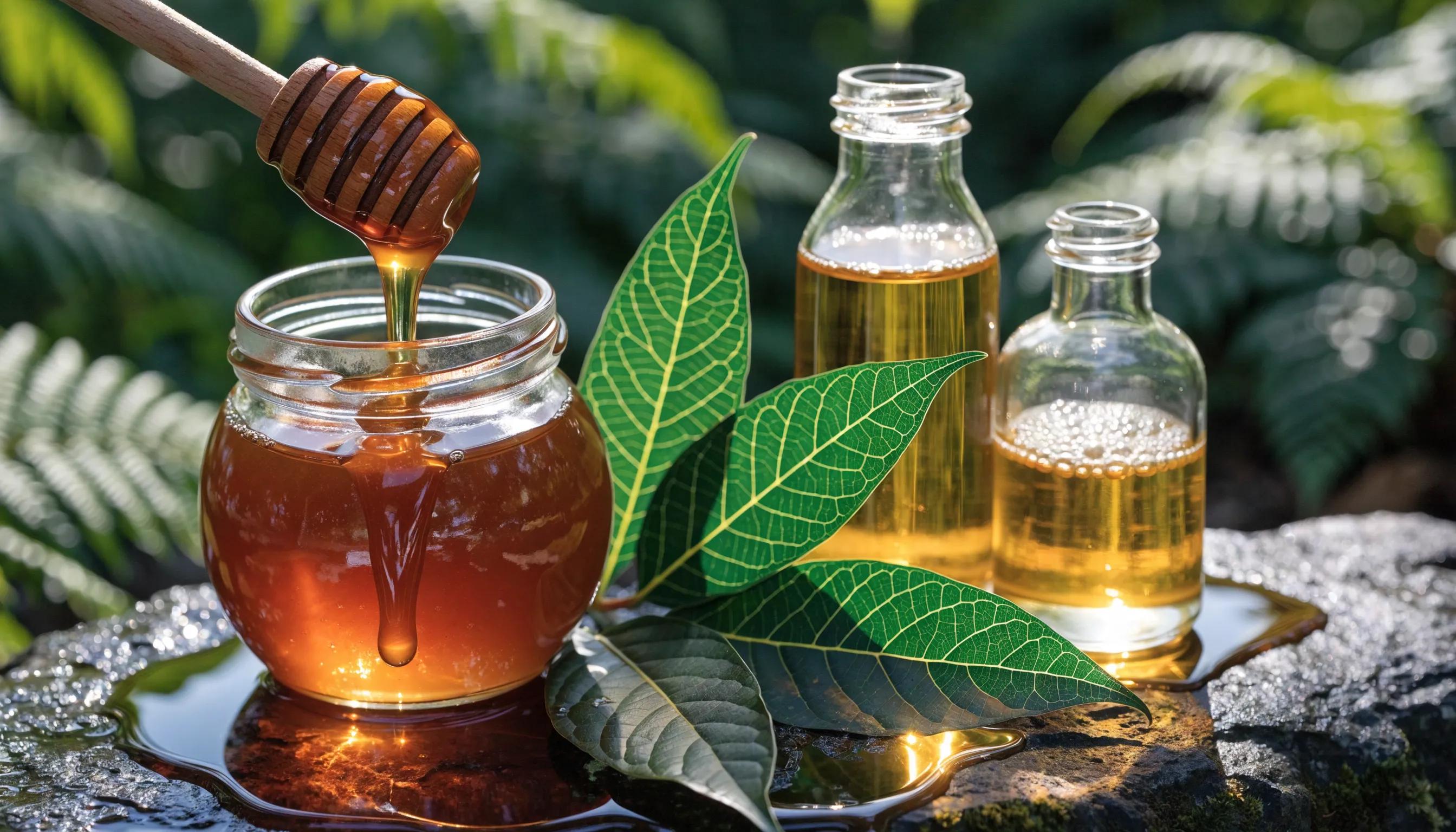
New Zealand's natural skincare products are known for harnessing the power of unique local ingredients. These components not only cater to diverse skin types but also embody the ethos of sustainability. Prominent ingredients include:
Manuka Honey: Renowned for its antibacterial and healing properties, Manuka honey is a staple in many formulations, helping to soothe irritation and promote skin health.
Kawakawa: This native plant is praised for its anti-inflammatory and healing benefits, making it ideal for sensitive or reactive skin types.
Flaxseed Oil: Packed with nutrients and omega fatty acids, flaxseed oil works wonders for hydration and nourishment, enhancing overall skin texture.
Scientific research highlights how these native botanical components provide significant efficacy when utilized in modern dermatological applications.
The Science of Manuka Honey: From Clinical Wound Care to Natural Skincare
The honey produced by bees foraging on the manuka tree (Leptospermum scoparium) in New Zealand and parts of southeastern Australia contains a chemical compound called methylglyoxal at concentrations roughly a hundred times higher than conventional honey [1]. That compound is the reason your dermatologist’s wound dressing in the hospital may have manuka honey impregnated into it, and it is the reason the ingredient has migrated from clinical wound care into prestige skincare bottles over the past fifteen years. Manuka Honey for Skin: What the Science Actually Supports (and What It Doesn't), 2026
These ingredients reflect the interconnectedness of local agriculture and skincare, creating products with profound cultural significance.
Identifying Quality Handmade Products
When it comes to choosing high-quality handmade skincare products, there are essential factors to consider. Certifications, such as those related to natural standards or cruelty-free practices, provide reassurance regarding the integrity of the ingredients. Here are some important aspects to evaluate:
Ingredient Transparency: Look for brands that openly share their ingredient lists and sourcing practices.
Artisanal Craftsmanship: Understand the methods used in product creation, as traditional techniques often yield superior quality.
Sourcing Ethics: It's crucial that ingredients are sourced sustainably to ensure minimal environmental impact.
With these considerations, you can make informed choices that reflect both your skincare needs and your values.
Certifications and Their Importance
Certifications play a key role in validating the quality and ethics of skincare products. Various benchmarks exist, ranging from natural certifications to sustainability labels. These markers help consumers navigate the often-confusing landscape of skincare claims.
Certification |
Purpose |
Importance |
|---|---|---|
Natural |
Ensures products are made from ingredients without synthetic additives |
Assures ethical sourcing and minimal environmental impact |
Cruelty-Free |
Ensures no animal testing is involved |
Appeals to ethically-minded consumers |
Fair Trade |
Guarantees fair compensation for farmers and workers |
Supports sustainable community development |
These certifications enhance consumer confidence, ensuring that they select products that align with their values.
Recommended Local Brands
In New Zealand, several brands stand out in the handmade skincare arena. Mumma J's is notable for its commitment to sustainable practices and natural formulations, catering to various skin types. Their use of local ingredients not only promotes the benefits of nature but also supports local economies.
Other notable local brands include:
Wild Flora: Specializing in native plant extracts, focusing on rejuvenating formulations.
Meadow & Grove: Crafting staples from ethically sourced ingredients that blend tradition with innovation.
These brands exemplify the qualities of handmade skincare—quality, craftsmanship, and a strong connection to local heritage.
Benefits of Handmade Skincare
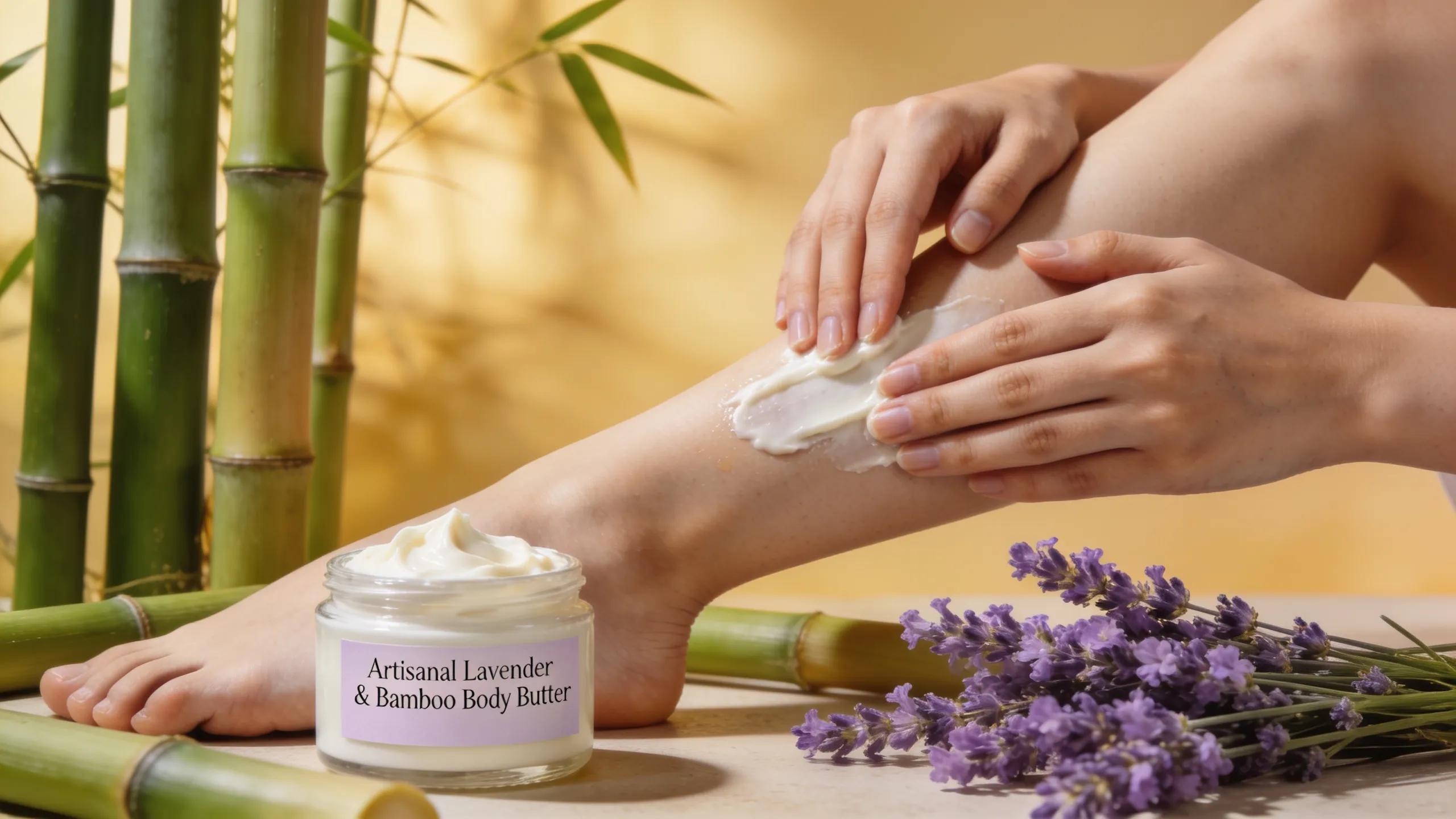
Handmade skincare products offer distinct advantages that resonate with environmentally conscious consumers. The benefits include:
Higher Quality Ingredients: Handmade products are often crafted with superior, sustainably sourced components, ensuring efficacy and safety for diverse skin types.
Unique Formulations: Artisanal craftsmanship allows for the creation of bespoke products, tailored to individual skin needs and preferences.
Lower Environmental Impact: Smaller production runs minimise pollution, while local sourcing reduces transportation emissions.
These factors underscore the substantial benefits of opting for handmade over mass-produced options, enhancing the overall skincare experience.
Supporting Sustainability and Ethical Practices
The choice of handmade skincare is closely tied to ethical practices and sustainability. By selecting products that are crafted with care, consumers can promote eco-friendly production methods. Each purchase supports local economies and fosters artisanal communities, emphasising the importance of responsible consumerism.
Sustainable practices not only reduce carbon footprints but also enhance the overall environmental footprint of beauty products. Supporting handmade skincare contributes to preserving native ecosystems and promotes ongoing ecological balance.
Where to Purchase
Quality handmade skincare products can be found in various venues throughout New Zealand. From local markets and craft fairs to online shops, there are ample opportunities to discover unique offerings. Supporting community artisans through these channels builds stronger local economies while providing consumers with authentic products.
Markets often feature a range of offerings, giving customers firsthand experience with artisans. Participating in craft fairs and visiting shops specializing in natural products allows for a personal connection with the makers, enhancing the overall purchase experience.
Exploring Local Markets
Local markets are treasure troves filled with various handmade skincare options, including everything from luxurious body balms to herbal scrubs. These venues pride themselves on offering high-quality products and fostering a sense of community. There, you can often meet the artisans behind the products, learn about their crafting processes, and discover the stories behind their products.
Online Shops and Their Offerings
In addition to physical locations, online shops provide access to a broader range of handmade skincare options. Many brands, including Mumma J's, allow for direct customer engagement, offering detailed insights into ingredients and production processes that align with contemporary consumer values.
What Are the Best Handmade Skincare Products in New Zealand?
When considering the best handmade skincare products available in New Zealand, customers often gravitate towards formulations that highlight the unique properties of local ingredients. Here are some standout options:
Mumma J's Herbal Body Balm: Infused with native botanicals, this balm provides deep nourishment and skin protection.
Wild Flora Rejuvenating Oil: Prioritising anti-aging benefits from local flora, this oil enhances skin elasticity and moisture retention.
Meadow & Grove Body Scrub: With natural exfoliants and revitalizing properties, this scrub promotes healthy skin renewal.
These selections exemplify the calibre of craft and care embedded in New Zealand's handmade skincare landscape.
How Do New Zealand Body Butters Support Skin Health?
Body butters from New Zealand are specifically formulated to cater to diverse skin types, providing intense hydration and nourishment. Their rich, creamy consistencies make them ideal for addressing dry skin, often containing locally sourced ingredients known for their beneficial properties.
Key Ingredients in Body Butters
Many body butters spotlight ingredients like:
Cocoa Butter: This natural fat hydrates and protects the skin, creating a barrier to prevent moisture loss.
Shea Butter: Packed with vitamins, shea butter soothes and nourishes, promoting healing and preventing dryness.
Native Oils: Incorporating oils sourced from local plants enhances skin absorption and provides targeted benefits.
These body butters are perfect for all skin types, with formulations that focus on immediate hydration and long-term skin health.
Which Native NZ Ingredients Are Most Effective in Natural Body Care?
New Zealand is home to many unique native ingredients that contribute significantly to the effectiveness of natural body care products. By leveraging these natural assets, brands can create formulations that not only benefit users but also promote local ecosystems.
Manuka Honey: Renowned for its healing properties, it's highly beneficial for skin regeneration.
Kawakawa: Known for calming sensitive skin, this plant is cherished in traditional Māori remedies.
Kāuri Oil: Rich in omega fatty acids, it can help restore moisture and elasticity to the skin.
Each of these ingredients is imbued with traditional knowledge, enhancing their application in contemporary skincare formulations.
What Skincare Benefits Do Manuka Honey and Kawakawa Offer?
Both Manuka honey and Kawakawa stand out for their distinct benefits:
Manuka Honey: Its natural antibacterial properties make it an excellent choice for treating skin blemishes and promoting healing, making it a staple in many natural skincare products.
Kawakawa: With its anti-inflammatory benefits, Kawakawa works wonders for soothing irritated skin, making it invaluable in formulations for sensitive types.
These ingredients embody the essence of New Zealand's approach to skincare, marrying tradition with natural efficacy.
How Are NZ Herbal Skincare Ingredients Sourced Sustainably?
Sustainable sourcing of herbal ingredients in New Zealand is crucial for protecting the local environment and ensuring the long-term viability of native plant species. Many brands prioritise ethical harvesting methods that do not harm the ecosystems where these plants grow.
Importance of Ethical Sourcing
By implementing sustainable practices, brands can reduce environmental impact, ensuring that the use of native plants does not contribute to biodiversity loss. This commitment not only preserves natural habitats but also supports the communities that rely on these resources.
Efforts to promote sustainability in sourcing also include collaborations with local Māori communities, which uphold traditional practices that respect the land and its cultural significance.
How Is Handmade Body Care Crafted in New Zealand?
The crafting of handmade body care products in New Zealand often involves a blend of traditional practices and modern techniques. Artisans typically focus on small batch production, allowing for greater attention to detail and ingredient quality.
Traditional Techniques Used for Crafting Natural Skincare
Traditional Māori practices influence many contemporary approaches to body care, emphasising the importance of natural ingredients and sustainability. Artisans often utilize knowledge passed down through generations to create effective formulations that honour cultural heritage.
Sustainable Practices Impacting Handmade Skincare Production
Sustainability is increasingly becoming integral to the production of handmade skincare. Artisans are adopting eco-friendly practices, such as using biodegradable packaging and minimising waste during production. This shift reflects a broader understanding of consumer demand for responsible beauty products.
How Should You Use Handmade Natural Body Care Products Effectively?
To maximise the benefits of handmade natural body care products, proper application techniques are essential. These techniques ensure that the products work effectively on the skin while also enhancing the overall experience.
Best Application Techniques for Oils and Balms
Warm Up the Product: Rub a small amount between your hands to warm it up before application, enhancing absorption.
Apply on Damp Skin: Ideal for oils and balms, applying to damp skin helps lock in moisture.
Use Gentle Massaging Motions: This promotes circulation and allows for better penetration of the product.
Benefits for Sensitive Skin Types
Handmade products are often tailored to be gentler on sensitive skin, utilizing natural ingredients free from harsh chemicals. This customisation ensures that those with delicate skin types can enjoy effective skincare without adverse reactions.
Why Is Sustainable Skincare Important in New Zealand’s 2026 Market?
Sustainable skincare has become a non-negotiable aspect of consumer choice in New Zealand, and this shift is reinforced by heightened awareness of environmental impacts. As the market continues to evolve, the relationship between sustainability and beauty becomes increasingly synonymous.
How Sustainability Influences Natural Skincare Choices
Consumers are opting for products that reflect their values, with sustainability playing a pivotal role in their purchasing decisions. Brands that demonstrate a commitment to ethical practices tend to foster stronger loyalty and trust among consumers.
Environmental Benefits of Handmade Body Care Products
The use of handmade body care products contributes to several environmental benefits, including a decrease in the carbon footprint associated with mass production. By supporting local artisans, consumers play a direct role in sustainable economic practices that benefit the surrounding ecosystems.