
Natural Skincare in New Zealand: What to Look For and Why Handmade Matters
Natural Skincare NZ 2026: What to Look For and Why Handmade Matters
By Mumma J, Mumma J's Limited
As the landscape of skincare evolves, consumers are increasingly turning to natural and handmade products that prioritise both quality and transparency. This trend is particularly evident in New Zealand, where a rich tapestry of local artisans focuses on creating sustainable and natural skincare solutions. In 2026, discerning customers will want to be well-informed about the key trends in natural skincare, the significance of handmade products, and how to select the best options for their needs. Moreover, understanding the benefits of supporting local artisans not only enriches the personal care experience but also reinforces community ties and environmental stewardship.
This article will guide you through the latest natural skincare trends in New Zealand, explore the rising popularity of handmade products, and discuss the proven benefits of natural skincare. We’ll delve into the local artisans shaping this movement, what sets them apart, and how consumers can identify quality handmade products.
What Are the Key Natural Skincare Trends Shaping New Zealand in 2026?
The natural skincare industry in New Zealand is rapidly transforming, driven by consumer demand for products that are not only effective but also sustainably sourced. Shifts in lifestyle choices and growing environmental awareness are shaping the preferences of buyers who increasingly opt for clean beauty products. In 2026, several trends are emerging to influence the market.
Which Natural Ingredients Are Leading New Zealand’s Skincare Market?
In 2026, several natural ingredients are trending in the New Zealand skincare market. Consumers are particularly drawn to local botanicals that offer unique benefits, such as:
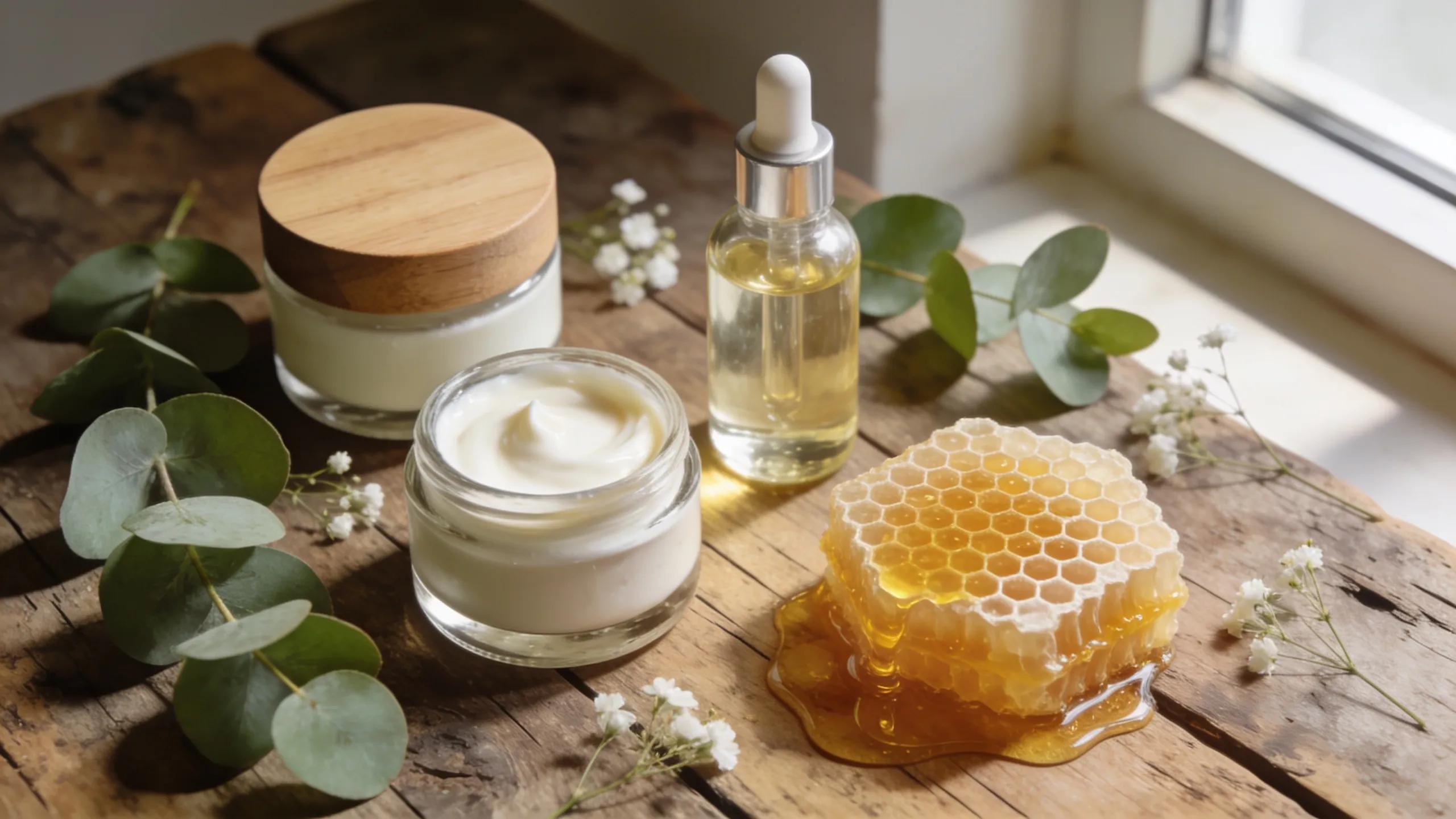
- Manuka Honey: Celebrated for its antibacterial properties that aid skin healing and hydration.
- Kawakawa: Known for its soothing qualities, Kawakawa is increasingly used in formulations targeting sensitive skin.
- Flaxseed Oil: Rich in omega fatty acids, it promotes hydration and nourishment for the skin.
These ingredients, often sourced from local suppliers, not only reflect the beauty of New Zealand’s natural environment but also support sustainable farming practices.
New Zealand's Natural Manuka Honey as an Ecological Product Marketing Model
This research paper aims to analyse a prominent international experience in the field of marketing ecological products—namely, New Zealand’s experience in developing and marketing natural Manuka honey. The study seeks to extract key lessons that Algeria can utilize to develop similar high value-added ecological products.The Manuka experience highlights the importance of leveraging local biodiversity, linking agricultural production with scientific research, and adopting international quality standards that enhance the product’s competitiveness.Marketing of Ecological Products: The Case of New Zealand, 2026
How Are Sustainable Packaging Innovations Impacting NZ Natural Skincare?
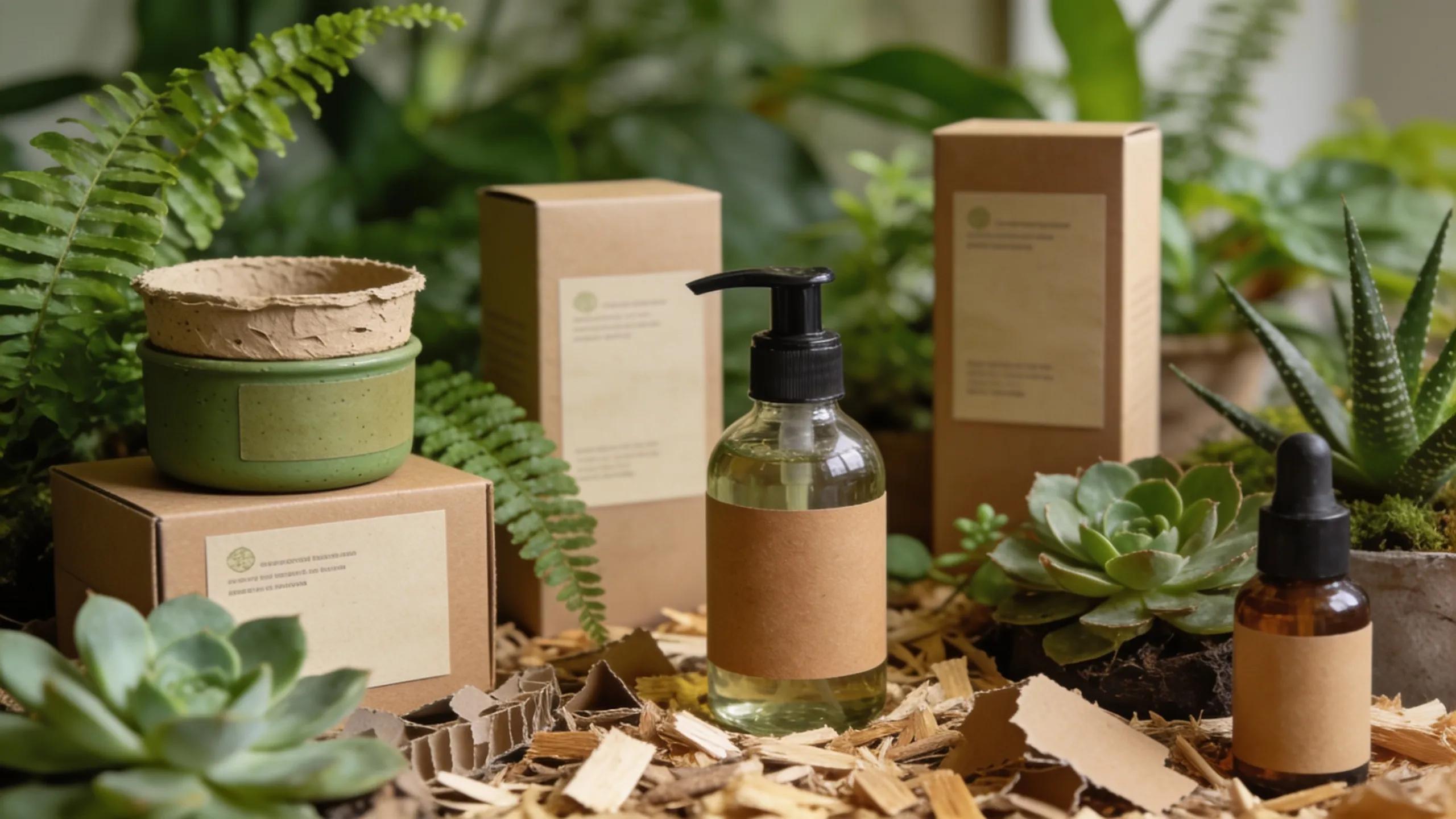
As part of the move towards more sustainable practices, many brands are adopting innovative packaging solutions. These innovations are essential in reducing environmental impact and enhancing product appeal. Key packaging trends include:
- Biodegradable Materials: Products packaged in biodegradable options reduce waste and are becoming increasingly popular.
- Refillable Systems: Some brands offer refill options for their products, encouraging customers to reuse containers.
- Minimalist Designs: Attractive, minimalist packaging that reduces excess materials resonates well with eco-conscious consumers.
These strategies not only align with consumer preferences but also reflect a commitment to sustainability.
Why Are Handmade Natural Beauty Products Gaining Popularity in New Zealand?
Handmade natural beauty products are gaining traction among New Zealand consumers for various reasons. The allure of artisanal products lies in their unique qualities and the personal touch that comes from small-scale production.
One critical factor is the burgeoning consumer awareness regarding the origins and composition of skincare products. Shoppers are increasingly valuing transparency and ethical sourcing. This focus has strategically led many to seek out brands that offer handmade products with clear ingredient lists, allowing for informed choices.
Growth and Regulation Challenges in New Zealand's Natural Sector
New Zealand’s naturals sector has grown significantly in recent years, with production reaching NZD $600 million in 2018 (Naturals Aotearoa New Zealand (OANZ) OANZ Market Report2018at 16). In a 2017 survey, 72% of New Zealanders indicated that they buy natural products some, most, or all of the time (Colmar Brunton “Sustainable Development Goals” (2017) at 26). Despite this growth, New Zealand does not have a mandatory standard for naturals.Regulation of the New Zealand naturals sector, 2020
What Are the Benefits of Handmade Skincare Compared to Mass-Produced Products?
Handmade skincare products provide several advantages over mass-produced alternatives. Understanding these benefits helps consumers make educated choices about their skincare routines.
- Quality Ingredients: Handmade products often feature higher-quality, natural ingredients. Artisans prioritise sourcing natural components that are sustainably harvested, yielding products that are less likely to contain harmful additives or preservatives.
- Careful Craftsmanship: The craftsmanship involved in creating handmade products results in unique textures and formulations that can be customised to meet specific skin needs.
- Environmentally Conscious Production: Small-scale production typically means lower environmental impact and a smaller carbon footprint compared to mass-manufactured goods.
How Does Artisan Craftsmanship Influence Product Quality and Authenticity?
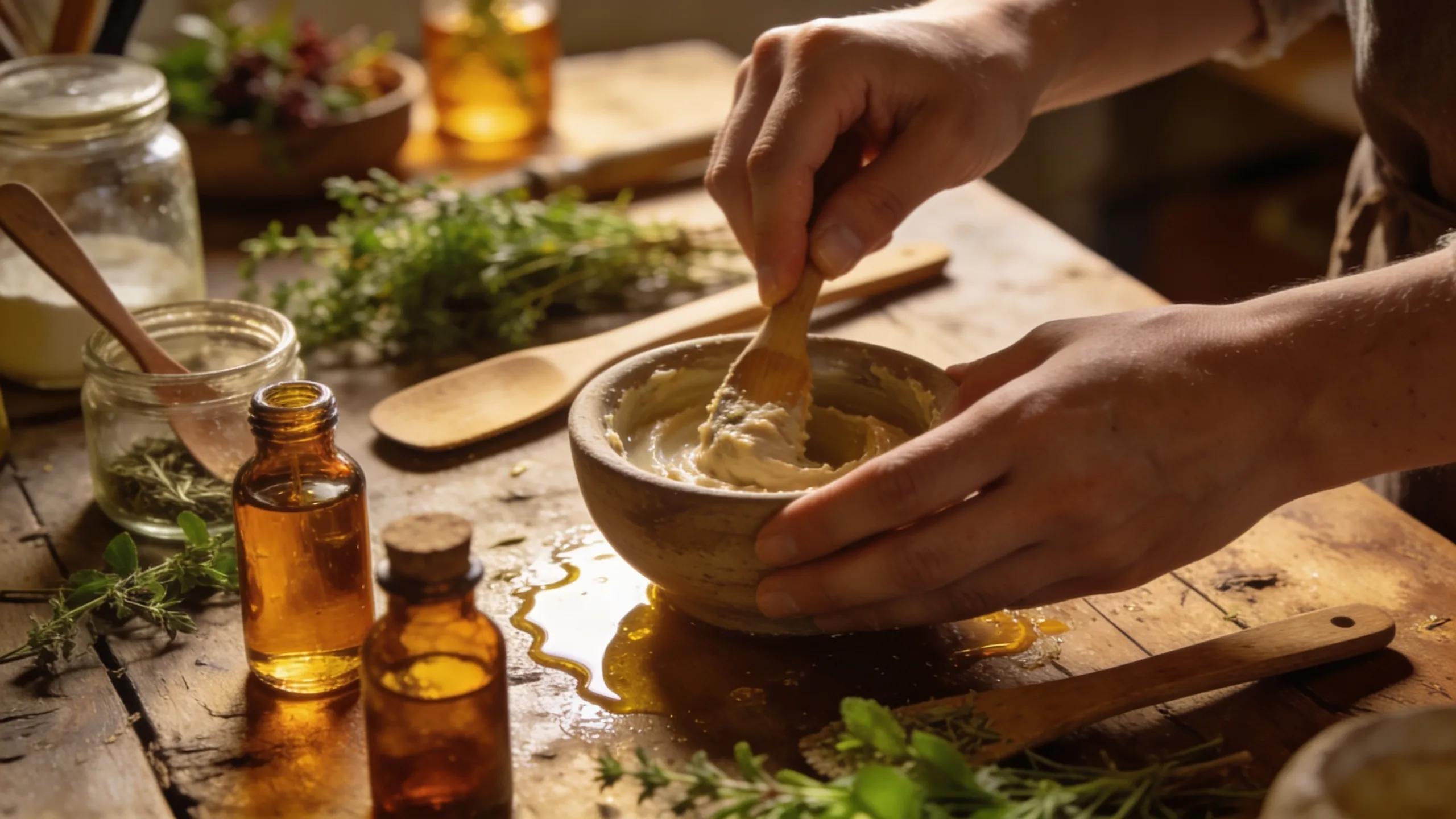
Artisan craftsmanship plays a vital role in the overall quality and authenticity of handmade skincare products. Skilled artisans often invest significant time in perfecting formulations, leading to superior products. Their expertise allows them to innovate while ensuring that every component is thoughtfully blended. This personal approach fosters trust and loyalty among consumers, who appreciate the story and craftsmanship behind each product.
Who Are the Local New Zealand Skincare Artisans Leading the 2026 Natural Beauty Movement?
Among the key players in the 2026 natural beauty movement are diverse local artisans committed to ethical and sustainable practices in skincare production.
What Makes Local Artisan Skincare Brands Unique in New Zealand?
Local artisan skincare brands are distinct for their strong ties to the community and their commitment to cultural heritage. Many brands draw inspiration from indigenous knowledge and ingredients, using traditional techniques passed down through generations. This cultural richness enhances the authenticity and appeal of their products.
How Do Local Makers Source and Use Native Natural Ingredients?
Local artisans are increasingly focusing on sourcing native natural ingredients that reflect New Zealand's unique ecological landscape. These include native flaxes, manuka, and kawakawa, which are incorporated into formulations for their beneficial properties. Artisans take pride in collaborating with local farmers and suppliers to ensure that their ingredients are ethically sourced, thereby supporting the local economy and environmental conservation.
What Are the Proven Benefits of Using Natural and Handmade Skincare in NZ?
Natural and handmade skincare products are not only gentle on the skin but also offer significant health benefits. Consumers are shifting toward these options as they recognise their superior quality and wellness advantages.
Which Bioactive Components Deliver Skin Healing and Repair?
Many natural skincare products incorporate bioactive components known for their therapeutic properties. For example:
- Antioxidants: Ingredients like Vitamin C are prominent for their ability to combat oxidative stress and promote skin rejuvenation.
- Essential Fatty Acids: Found in oils like evening primrose and rosehip, these components are essential for skin integrity and repair.
- Plant Extracts: Many formulations feature herbal extracts that promote skin healing and provide soothing effects.
How Does Choosing Handmade Skincare Support Sustainability and Ethical Practices?
Choosing handmade skincare goes hand-in-hand with supporting sustainability and ethical practices. Many artisans embrace eco-friendly methods in their production and packaging processes, while also advocating for social responsibility. By purchasing these products, consumers can contribute to a more sustainable economy and support local communities, reinforcing the importance of ethics in business practices.
How Can Consumers Identify Authentic Handmade and Sustainable Skincare Products in NZ?
Identifying authentic handmade and sustainable skincare products is crucial for consumers wanting to make informed choices. Several key indicators can help buyers spot high-quality options.
What Eco Certifications and Labels Should You Look For?
When shopping, look for certifications that denote environmentally friendly practices, such as:
- Natural Certification: Indicates that ingredients are grown without synthetic pesticides.
- Cruelty-Free Labels: Assures products were not tested on animals.
- Sustainable Packaging Certifications: Signals commitment to eco-friendly packaging solutions.
These labels provide assurance that the products align with consumers' values.
What Questions Should You Ask About Product Ingredients and Manufacturing?
Consumers should not hesitate to ask brands about their manufacturing processes and ingredient sourcing. Critical questions might include:
- What ingredients are included, and where do they come from?
- Are there any synthetic additives or preservatives?
- What measures are taken to ensure environmental sustainability?
Asking these questions will contribute to a deeper understanding of the products being purchased.
Where to Find and Purchase Trusted Handmade Natural Skincare Products in New Zealand?
Finding reliable sources for handmade natural skincare products is essential for consumers. Many local markets and online shops specialize in these products, ensuring easy access to high-quality options.
Which Local Brands and Products Are Recommended in 2026?
Some notable local brands include Mumma J's Limited, known for its natural formulations and commitment to sustainability. Their range features handmade products formulated with natural ingredients that cater to various skin types. Consumers are encouraged to explore local artisan markets and craft fairs for unique offerings and seasonal products.
For those seeking specific solutions, healing balms are also popular, offering targeted relief for irritated skin. These often utilize potent natural extracts to soothe and restore.
Consumers interested in learning more about the philosophy behind these products can explore the detailed about section of their website, which outlines their dedication to natural ingredients and ethical production.
For purchasing, it's straightforward to navigate product pages to find exactly what you need, or you can directly visit Mumma J's Limited for their full range.
How to Access Artisan Profiles and Learn Their Stories?
Connecting with artisans and understanding their stories adds a personal touch to the skincare experience. Most brands share detailed information on their websites, including the inspiration behind their products and the processes involved in their creation. Additionally, social media platforms have become effective channels for artisans to connect with customers, providing insights into their craft and ethos.