
How to Choose and Use Body Butter NZ in New Zealand
How to Choose and Use Body Butter NZ in New Zealand
New Zealand shoppers choosing a body butter can compare texture, ingredients and intended use. Mumma J's Body Butter 200G is made with mango, shea, kokum and cocoa butters, sweet almond oil and arrowroot powder. Apply a small amount after bathing, focusing on dry areas such as elbows and heels.
Key Takeaways
Body butters, creams, and lotions each serve different purposes with unique textures and absorption rates.
Apply body butter to slightly damp skin immediately after showering for optimal absorption and moisture sealing.
Shea butter formulations melt into skin more easily when applied to damp skin rather than dry.
Body butters provide heavier moisturization compared to lotions, making them ideal for very dry skin areas.
What Makes Body Butter Different From Lotion?
Texture and water content create the main divide between body butter and lotion. Lotion carries a high water content, spreading easily and absorbing fast, which suits everyday light hydration for busy Kiwi households. Oil sits at the other end of the spectrum: generally free of water, it feels soothing and close to the skin's own natural oils. Sitting between the two, a rich body butter brings a heavier, occlusive texture that locks moisture in rather than letting it evaporate.
Format |
Water content |
Best suited for |
|---|---|---|
Lotion |
High |
Daily light hydration |
Oil |
Low/none |
Soothing, skin-like feel |
Body butter |
Low |
Dry, mature or weather-stressed skin |
Is body butter better than lotion for dry skin?
A body butter has a richer texture than most lotions and may suit dry areas or people who prefer a heavier moisturiser. People with oily or acne-prone skin may prefer a lighter product. Individual skin can react differently, so start with a small amount.
Shoppers searching for body butter NZ options, including a genuinely natural body butter, can look to Mumma J's Limited. Based in Glenbrook, AUK, the brand ships its handmade range to customers across New Zealand.
Which Natural Ingredients Should You Look For?
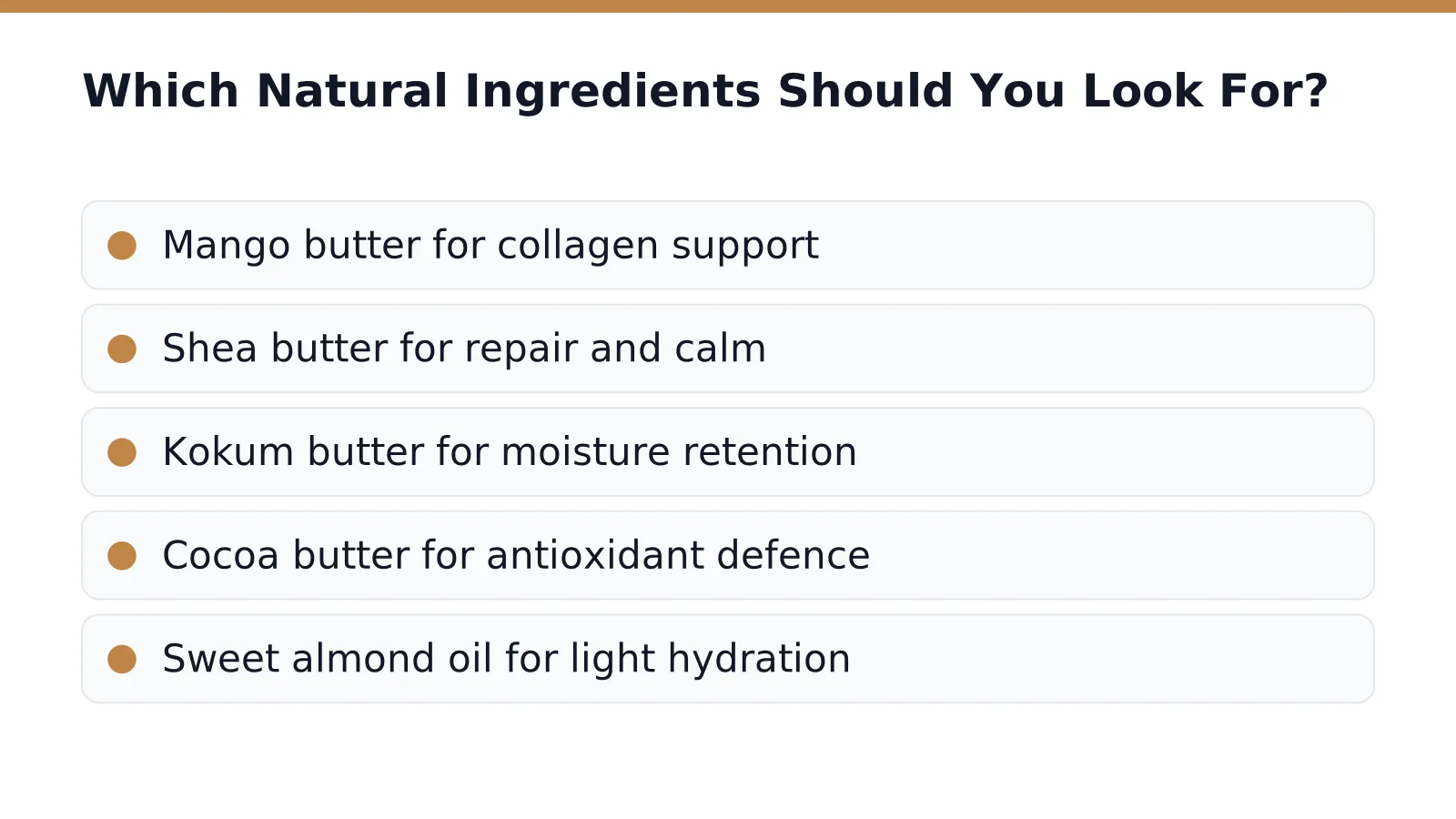
Mumma J's formula lists mango butter, shea butter, kokum butter, cocoa butter and sweet almond oil. These ingredients give the product its rich texture and help soften and moisturise the skin.
Mango, shea, kokum and cocoa butters contribute emollient oils and fatty acids, while sweet almond oil helps the butter spread over the skin. Arrowroot powder is included to reduce the heavy or oily feel of the formula.
Check the full ingredient list before use if you have allergies or sensitive skin, particularly because the formula contains sweet almond oil. Patch test first and stop using the product if irritation occurs.
Is shea butter good for dry skin in winter?
Shea butter is widely used in moisturising products because of its rich, emollient texture. It can help reduce the feeling of dryness, although results and skin tolerance vary.
Ingredient checklist for body butter nz shoppers:
Mango, shea, kokum and cocoa butters for a rich emollient texture
Sweet almond oil to help the product spread and soften skin
Arrowroot powder to reduce excess greasiness
How Do You Use Body Butter Correctly?
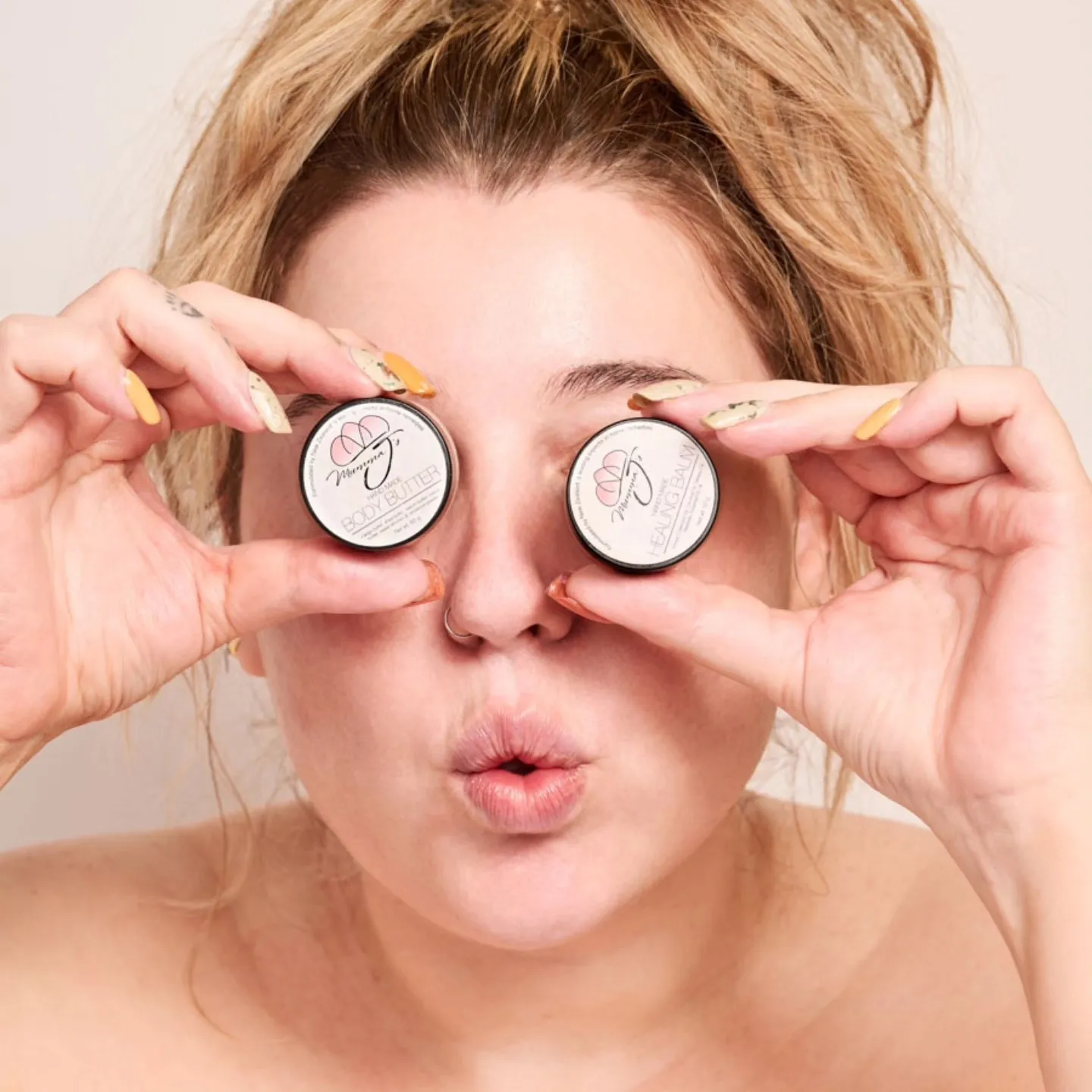
After bathing, pat the skin so it remains slightly damp, warm a small amount of body butter between the palms and massage it over the body. Start sparingly and add more only where needed.
A few habits make a real difference:
Warm a small amount between the palms before smoothing it over arms, legs, and torso.
Focus on rough patches like elbows, knees, and heels.
Store the jar at normal room temperature rather than in the fridge.
Does body butter need to be kept in the fridge?
Refrigeration isn't necessary for most Kiwi households. Only particularly warm or humid homes, such as those in Northland or coastal Auckland during summer, might benefit from cooler storage. Chilling can make shea-based formulas turn grainy, so a cupboard or bathroom shelf usually suits a natural body butter best.
Can body butter be used on the face?
This product is presented as a body butter rather than a facial moisturiser. For the face, choose a product designed for facial use. If you have sensitive or acne-prone skin, patch test new products and seek professional advice for persistent concerns.
FAQ
What makes body butter different from lotion?
Body butter has a heavier, occlusive texture with low water content that locks moisture in. Lotion has high water content, spreads easily, and absorbs fast for daily light hydration.
How should you apply body butter for best results?
Apply body butter generously after showering onto damp skin, focusing on dry areas like elbows and heels. Shea butter formulations melt into skin more easily on damp rather than dry skin.
Which natural ingredients should you look for in a body butter?
Look for a clear ingredient list and a texture suited to your skin. Mumma J's Body Butter contains mango, shea, kokum and cocoa butters, sweet almond oil and arrowroot powder.
Conclusion
A suitable body butter can make dry areas feel softer and more comfortable. Choose a formula with a clear ingredient list, use a small amount on the body after bathing and adjust the amount to suit your skin and the season.