
How to Blend Sandalwood Essential Oil with Carrier Oils for Effective Skin Application
How to Blend Sandalwood Essential Oil with Carrier Oils for Effective Skin Application
Sandalwood essential oil must be diluted before skin use, but dilution alone does not guarantee suitability or turn it into a treatment. The safest option is a finished cosmetic or guidance from a qualified formulator who can consider the specific oil, user and purpose.
1. Define the Intended Use
Decide whether the goal is a light personal fragrance, massage product or another cosmetic use. Do not formulate to treat acne, eczema, headaches or other conditions.
2. Confirm the Product Type
Check that you have essential oil rather than fragrance oil or a pre-diluted blend. Read the botanical name, ingredients and directions.
3. Choose a Cosmetic-Grade Carrier
Use a carrier intended for skin application and check its allergen and storage information.
4. Jojoba
Jojoba has a light-to-medium feel and good oxidative stability. Suitability still depends on the person and full formula.
5. Fractionated Coconut Oil
This carrier is usually light and fluid. It is different from solid coconut oil and should not be assumed non-comedogenic for everyone.
6. Sweet Almond Oil
Sweet almond oil has a richer feel and may not suit someone with an almond allergy. Check professional guidance before use.
7. Why Universal Drop Recipes Fail
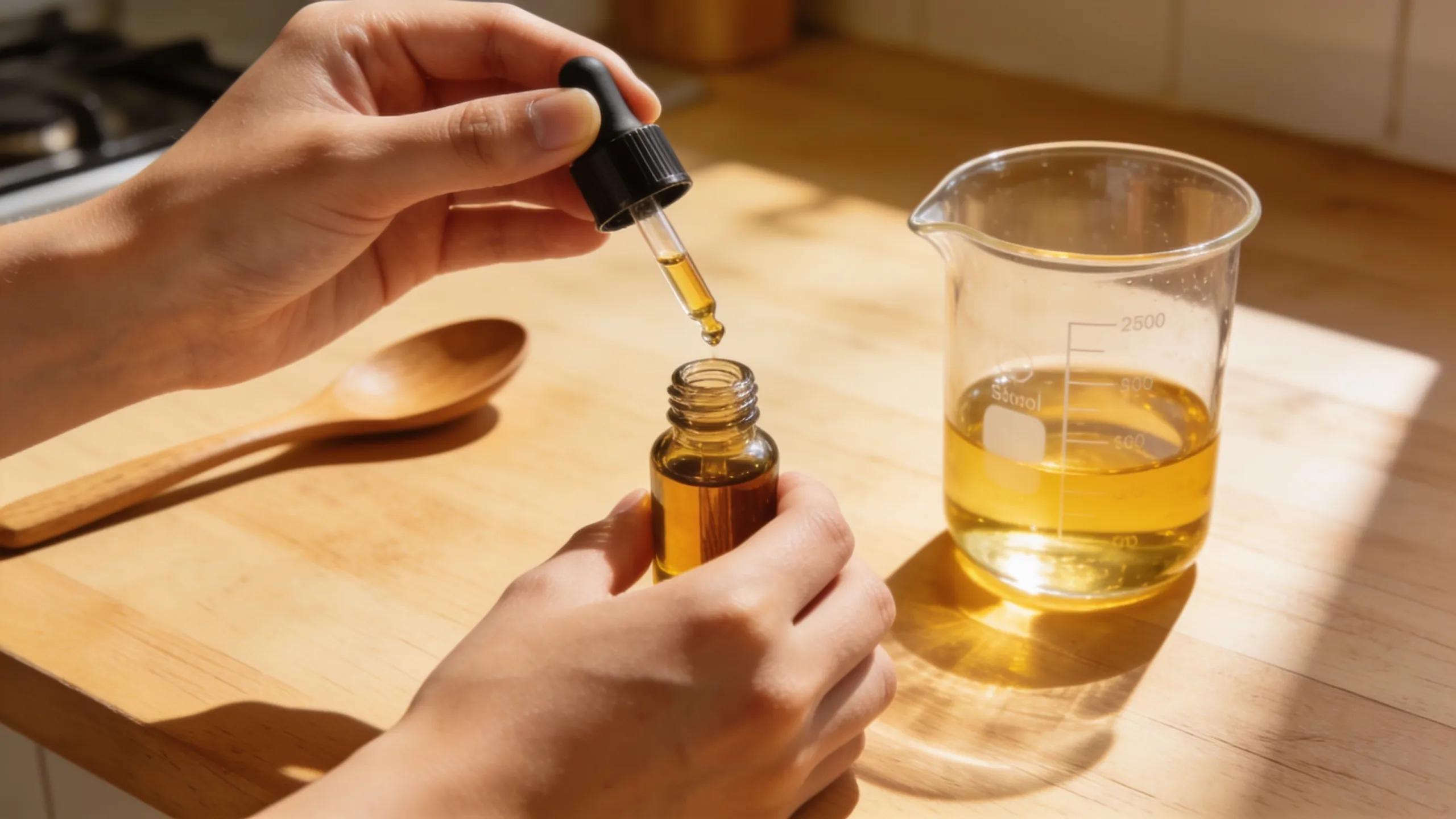
Drop size varies, and different essential oils have different topical limits. Measure formulations by weight where professional accuracy is required.
8. Follow Oil-Specific Limits
Use reputable formulation guidance for the exact botanical material. A percentage that is acceptable for one oil may not suit another.
9. Make a Small Trial Batch
Record every ingredient, weight, date and batch so the blend can be reproduced or investigated if a reaction occurs.
10. Patch Testing
Test only the finished diluted product on a small area according to qualified guidance. A patch test reduces uncertainty but cannot guarantee future tolerance.
What signs mean I should stop?
Stop for burning, itching, redness, swelling or persistent discomfort.
11. Application Area
Avoid eyes, mucous membranes, broken skin and recently shaved or irritated areas. Wash hands after application.
Do pulse points increase effectiveness?
No. Pulse points may release fragrance with warmth, but they do not create a therapeutic effect.
12. Massage Use
Use only a safely formulated massage product. Friction and large application areas can increase exposure.
13. Bath Use
Do not add essential oil or a simple oil blend directly to bathwater; it can float in concentrated droplets and make surfaces slippery. Use a properly formulated bath product.
14. Sensitive Skin
People with eczema, rosacea, allergy-prone skin or fragrance sensitivity may be better served by fragrance-free skincare.
Can sandalwood treat dry skin?
No. The carrier may reduce moisture loss, but essential oil is not a moisturiser or treatment.
15. Children and Pregnancy
Seek qualified advice before use for children, during pregnancy or breastfeeding, while taking medicines or when managing a health condition.
16. Storage
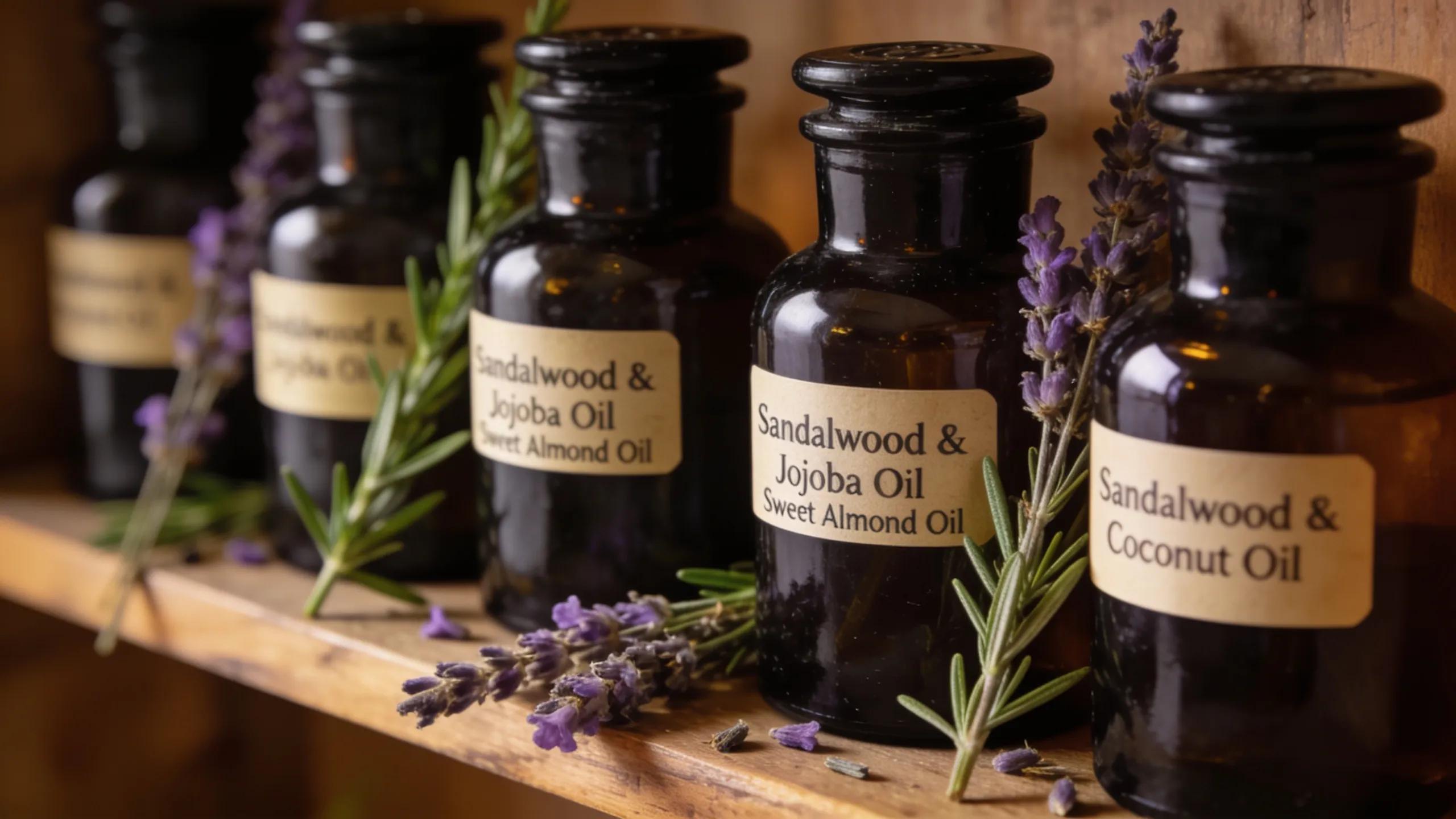
Use a suitable labelled container and store it upright, tightly closed and away from heat and sunlight.
How long should a blend be kept?
Shelf life depends on the carrier, packaging, hygiene and storage. Note the preparation date and discard it if the aroma or appearance changes unexpectedly.
17. Accidental Exposure
Never swallow essential oil. In New Zealand, call the National Poisons Centre on 0800 764 766 after accidental ingestion or concerning exposure.
18. Choosing Mumma J’s Sandalwood
Mumma J’s 5 ml Sandalwood Essential Oil is a concentrated aromatic product. Follow its directions and do not add it casually to existing cosmetics.
19. Conclusion
Effective skin application means accurate formulation, conservative use and realistic cosmetic claims. When in doubt, choose a professionally formulated product rather than a home recipe.