

Blending Oud Oil at Home: Easy DIY Oud Fragrance Blends for Kiwi Households
Blending Oud Oil at Home: Easy DIY Oud Fragrance Blends for Kiwi Households
By Mumma J, Mumma J's Limited
Oud oil has gained popularity in recent years due to its unique aroma and rich cultural heritage. This comprehensive guide will explore how to blend oud oil at home, focusing on fragrance combinations that resonate with Kiwi households. Readers will discover practical techniques for creating personalised scent recipes, pairing essential oils effectively, and following easy-to-make oud oil fragrance recipes. As the world increasingly gravitates towards natural and personalised products, learning to blend oud oil becomes a compelling solution for creating distinctive home fragrances. Our exploration will start with understanding oud oil and its best varieties suitable for home use. For a curated selection of high-quality oils and blends, explore the available collections.
What is Oud Oil and Which Types Are Best for Home Blending?
Oud oil, derived from the heartwood of the agarwood tree, is renowned for its rich and complex aroma, often characterised as deep, woody, and slightly sweet. It has a significant place in various cultures, particularly in the Middle East, where it is valued for its fragrance and therapeutic qualities. This oil is prized not only for its scent but also for its emotional and spiritual impact. Different types of oud oil exhibit unique characteristics, making some varieties more suitable for home blending than others.
What Are the Aroma Profiles and Origins of Natural Oud Oil?
Natural oud oil comes from diverse regions, each imparting distinct aroma profiles influenced by the environment, tree species, and production process. Common scent notes include earthy, woody undertones, combined with sweet and spicy nuances. The origins of oud can be traced back centuries, primarily in Southeast Asia, particularly in countries like Thailand and Cambodia. Each region's unique climate and soil conditions contribute to the oil's aromatic complexity, making it a favourite among fragrance enthusiasts.
Which Oud Oil Varieties Suit New Zealand Home Use?
In New Zealand, specific oud oil varieties that are well-suited for home blending include Indo oil, which is known for its smoother, more balanced fragrance, and Cambodian oud, which has a deeper and richer aroma. Both types are relatively accessible in Kiwi markets and can be easily blended with other oils to create personalised scents. Understanding the profiles of these varieties allows for an enhanced blending experience, catering to individual scent preferences while ensuring quality and availability. Discover more about the brand's philosophy and commitment to natural ingredients on their about page.
How Can Essential Oils Be Paired with Oud for Unique Natural Perfumes?
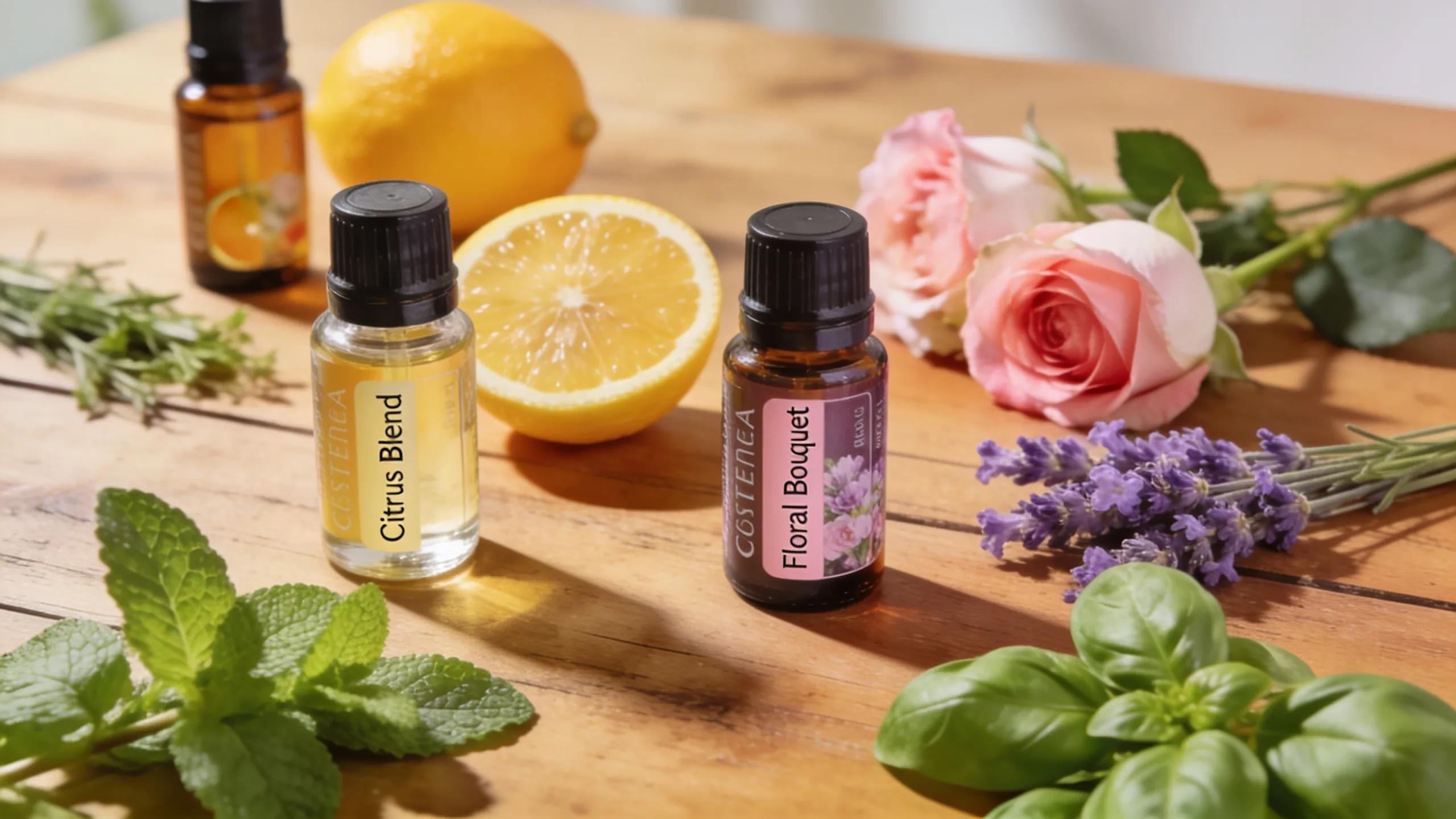
Pairing essential oils with oud is an exciting way to create distinctive and personalised fragrances. Various essential oils can complement the deep character of oud, enhancing its warmth or adding freshness. This section explores some of the best options for blending oils, offering strategies for crafting unique fragrance profiles.
What Are the Best Carrier Oils and Fragrance Notes to Blend with Oud?
Carrier oils play a vital role in blending essential oils with oud by ensuring a smooth application and prolonging the fragrance's longevity. Sweet almond oil, jojoba oil, and fractionated coconut oil are excellent choices for creating a base. When selecting complementary fragrance notes, consider citrus scents like bergamot or floral notes such as jasmine, which can soften the boldness of oud while adding layers to the scent profile.
Which Natural Oils Complement Oud for Lasting Home Scents?
Several natural oils pair beautifully with oud, contributing to rich and lasting scents. For example, sandalwood offers a creamy, soft undertone, while patchouli can add an earthy depth. Furthermore, lavender can introduce a calming freshness that balances oud's intensity. Exploring these combinations allows for infinite possibilities in creating long-lasting and enjoyable home fragrances. For a specific product that harnesses these properties, consider the Night Oil 50ml.
What Are Simple DIY Oud Perfume Recipes for Kiwi Homes?
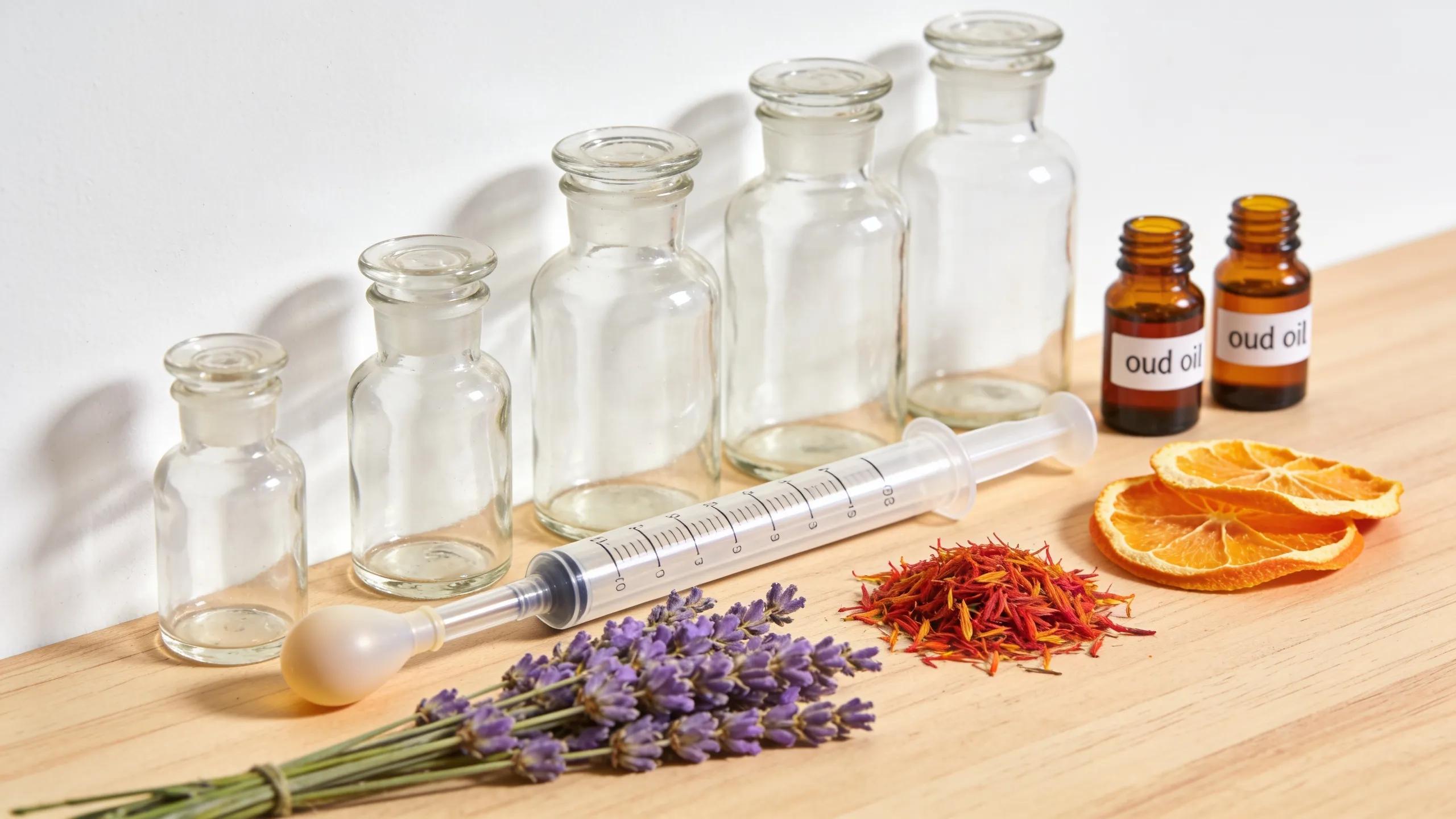
Creating DIY oud perfumes at home is an enjoyable and rewarding process. With a few simple recipes, anyone can craft their signature scents that reflect personal style and preferences. Here, we present some easy-to-follow oud perfume recipes tailored for Kiwi households.
How to Make a Basic Oud Oil Perfume Blend at Home?
To craft a basic oud oil perfume, combine the following ingredients: 20 drops of oud oil, 10 drops of sweet almond oil, and 5 drops of bergamot essential oil. Mix thoroughly in a small glass bottle, ensuring a well-blended fragrance. Allow the mixture to sit for 24 hours to develop its scent. This blend provides an inviting fragrance that captures the essence of both oud and citrus, perfect for daily wear.
Which Fragrance Combinations Reflect Kiwi Lifestyle Preferences?
Kiwis often appreciate fresh, clean scents reminiscent of their surrounding natural landscapes. Consider blending oud with oils like grapefruit for a vibrant, energising effect or with eucalyptus for a refreshing aroma that evokes a sunny day outdoors. Mixing in essential oils inspired by native flora can also create fragrances that resonate with local culture and lifestyle.
Understanding the art of combining scents with oud can elevate your home fragrance creations, transforming simple blends into sophisticated perfumes.
Oud in Perfume Design: Blending Techniques and Rules Additional experiments demonstrated the special role of oud as a dominant “mold” rather than a decorative element, producing 60 unique oud-based accords. The study also established three key construction rules for perfumes: proportion gradation to avoid clashes, maintaining a dominant identity (mold vs. decoration), and ensuring balancePerfume Design Map: A Scientific Framework for Creating Accords Formulation from Fragrance Families, 2025
How to Safely Use and Store Oud Oil in Home Fragrance Making?
Using oud oil safely is paramount, especially when blending at home. Proper storage and usage techniques ensure that the oil retains its integrity and that users are protected from adverse reactions. This section will cover essential safety tips and best practices for storing oud oil.
What Safety Precautions Are Needed When Blending Oud Oil?
When blending oud oil, always perform a patch test on the skin to check for allergic reactions. It's also advisable to avoid direct contact with undiluted oud oil, as it can cause skin irritations. Additionally, ensure that all equipment used for blending is clean and suitable for oil use. Always blend in a well-ventilated area and keep oils out of reach of children.
How Should Oud Oil Be Stored for Maximum Freshness?
To maintain the freshest quality of oud oil, store it in a cool, dark place, away from direct sunlight. Using dark glass containers helps prevent oxidation and preserves the oil's aromatic properties longer. Avoid exposing oud oil to extreme temperatures, and ensure the bottles are tightly sealed after each use to prevent evaporation and contamination. If you're looking for high-quality, natural products, consider exploring MummaJs for your home fragrance needs.